Articles
Jeon: Korea's Pan Fried Delicacies
전 | jeon
Jeon: Korea’s Pan‑Fried Tradition
Jeon refers to a broad category of Korean pan‑fried dishes. At its core, jeon is simple: take an ingredient—meat, seafood, vegetables, herbs, even flowers—coat it lightly in flour and beaten egg, and pan‑fry it until the outside turns crisp and golden. Jeon shows up everywhere in Korean cooking, from everyday banchan to holiday tables and drinking snacks.
What Is Jeon?
Jeon isn’t one single dish but a technique. Almost anything can become jeon if it’s sliced, dredged, dipped, and fried. Some versions look like small pancakes; others are individual pieces, more like fritters. The appeal is in the contrast: a crisp exterior and a tender interior, with the flavor of the main ingredient kept front and center.
Jeon can be served as an appetizer, a side dish, or even a light meal. It’s also a classic anju—food enjoyed with drinks.
A Brief History of Jeon
Jeon has been part of Korean cooking for centuries. During the Joseon Dynasty (1392–1910), it appeared on royal banquet tables, where court cooks prepared meticulously seasoned slices of fish, meat, and vegetables, coating them in flour and egg before frying. These dishes were considered refined and ceremonial.
Over time, jeon moved beyond the palace. Home cooks adapted the technique to whatever ingredients were available—seasonal vegetables, leftover meats, or preserved foods like kimchi. Jeon became a fixture of holiday cooking, ancestral rites, and everyday meals. Today it’s just as common in restaurants and street stalls as it is in home kitchens.
Despite changes in ingredients and cooking styles, the basic idea remains the same: simple components transformed through careful preparation.
Popular Varieties of Jeon
Jeon comes in many forms. A few well‑known examples include:
- Pajeon – Green onion jeon, often with squid, shrimp, or oysters.
- Haemul‑jeon – Mixed seafood jeon.
- Kimchi‑jeon – Kimchi‑based batter, sometimes with pork or seafood.
- Saengseon‑jeon – Fish fillets lightly battered and fried.
- Hobak‑jeon – Zucchini slices dipped and fried.
- Gamja‑jeon – Grated potato pancakes.
- Buchu‑jeon – Garlic chive or scallion pancakes.
- Daegu‑jeon – Cod fillets dredged and pan‑fried.
- Gochu‑jeon – Mild chili peppers stuffed with seasoned meat or vegetables.
- Hwa‑jeon – Small, sweet rice‑flour cakes decorated with edible flowers.
- Injeolmi‑jeon – A sweet, chewy dessert jeon made with rice cakes and red bean paste.
This range—from savory to sweet, from rustic to refined—shows how flexible the jeon technique is.
Ingredients and Basic Preparation
Most jeon follow the same structure:
- Main ingredient: vegetables, seafood, meat, tofu, herbs, or rice cakes
- Flour: usually wheat flour, sometimes mixed with starch
- Egg: beaten and used as a coating
- Seasonings: salt, pepper, garlic chives, green onion, or a light soy‑based marinade
The process is straightforward:
- Slice or portion the main ingredient.
- Dredge lightly in flour.
- Dip in beaten egg.
- Pan‑fry in a thin layer of oil until golden on both sides.
Some cooks repeat the flour‑and‑egg steps for a thicker coating, and some ingredients—like fish or meat—may be briefly seasoned or marinated beforehand.
Serving and Pairing
Jeon fits easily into many settings:
- As banchan: alongside kimchi, namul, and other small dishes.
- As a snack: warm from the pan.
- As anju: paired with makgeolli, soju, or beer.
- With fresh sides: pickled radish, cucumber salad, or simple dipping sauces.
A classic dipping sauce combines soy sauce, vinegar, sesame oil, and a pinch of gochugaru or sliced green onion.
Why Jeon Endures
Jeon remains popular because it’s adaptable, comforting, and rooted in tradition. Whether it’s a simple zucchini slice fried for a weekday meal or a seafood‑laden pajeon shared with friends over drinks, jeon reflects the everyday creativity of Korean cooking
Article by Gil "hannaone" © Copyright 2025-2026. All rights reserved.
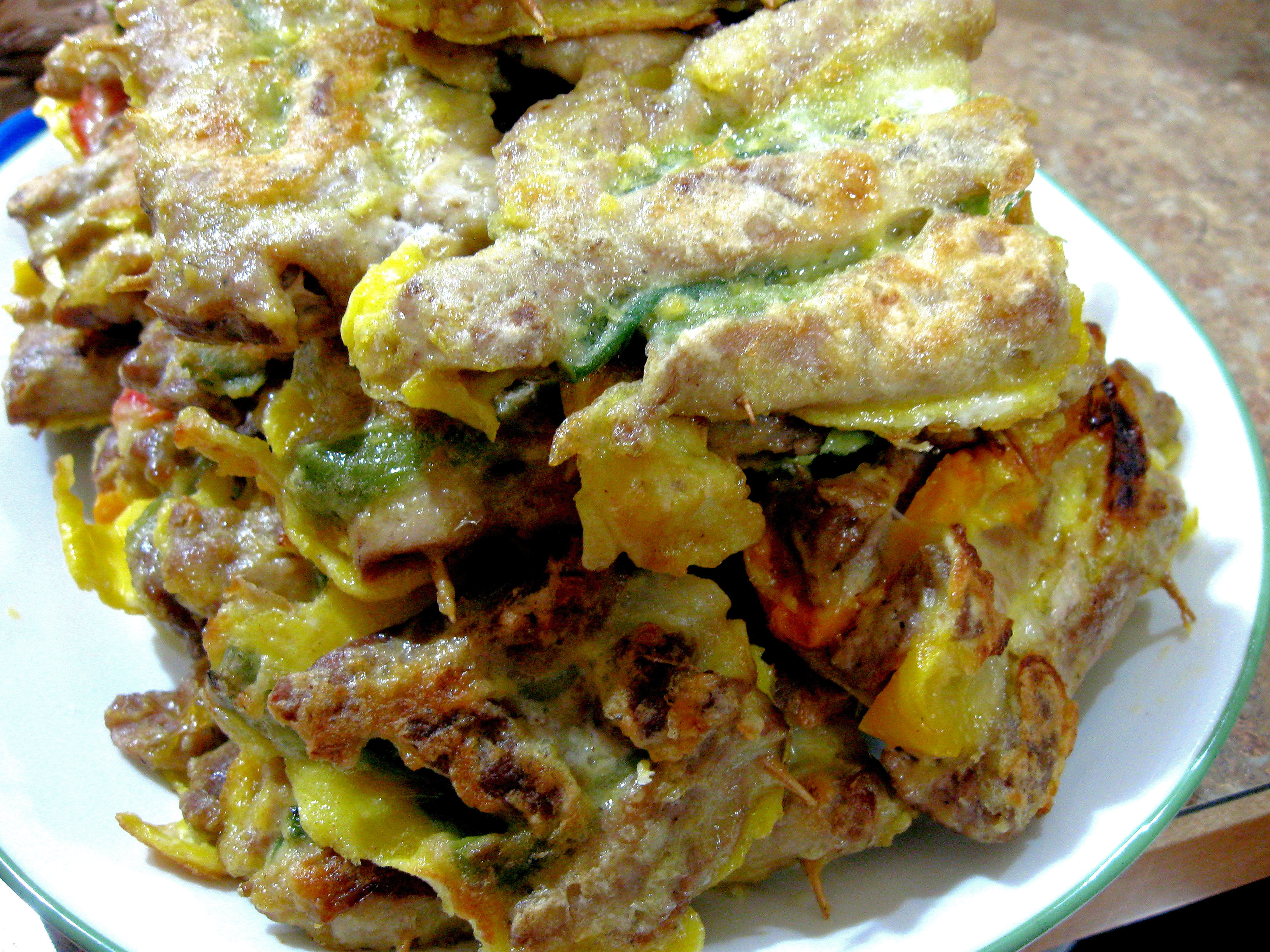
Image by hannaone: Pork jeon
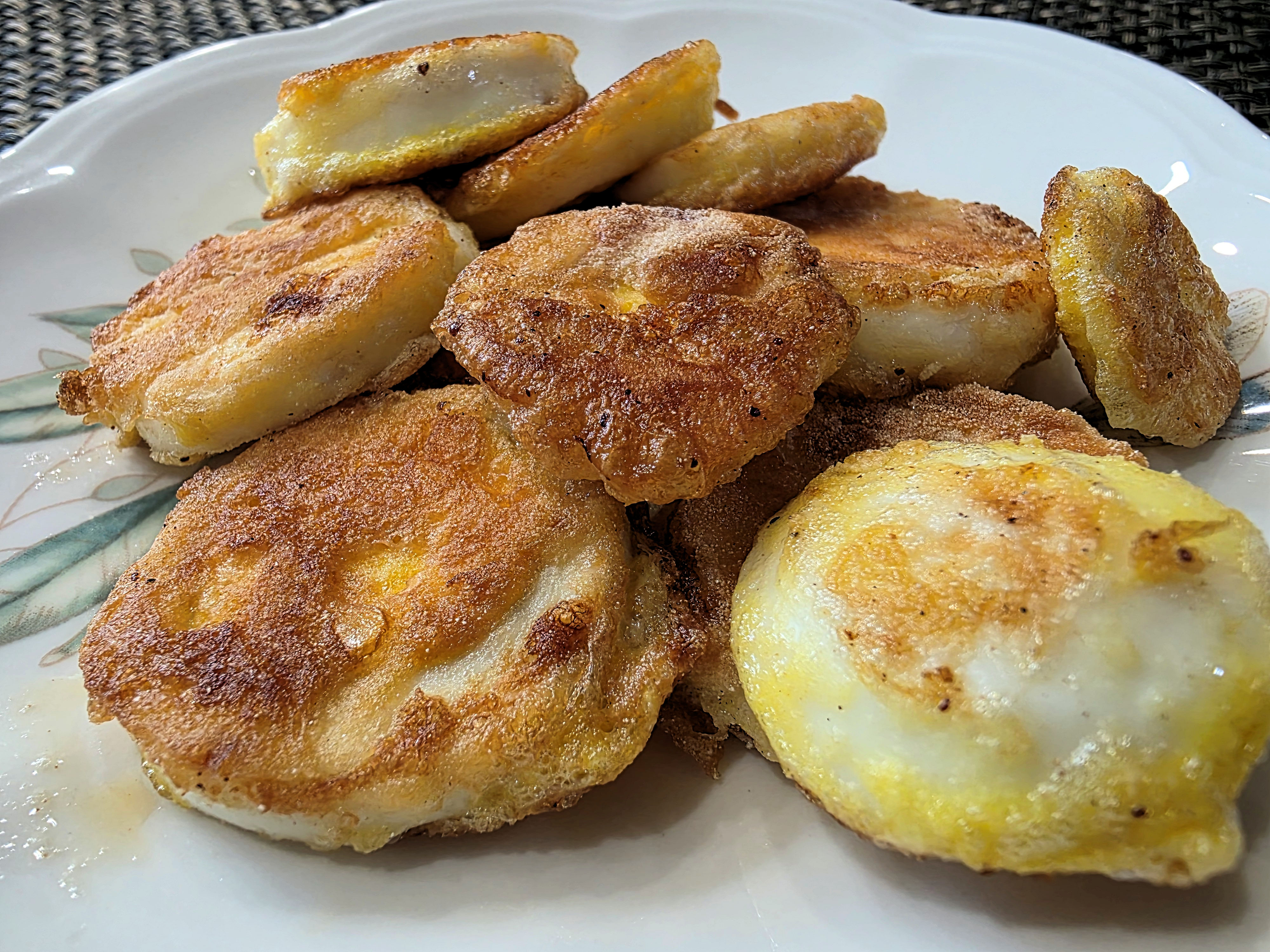
Image by hannaone: Gyeran-jeon
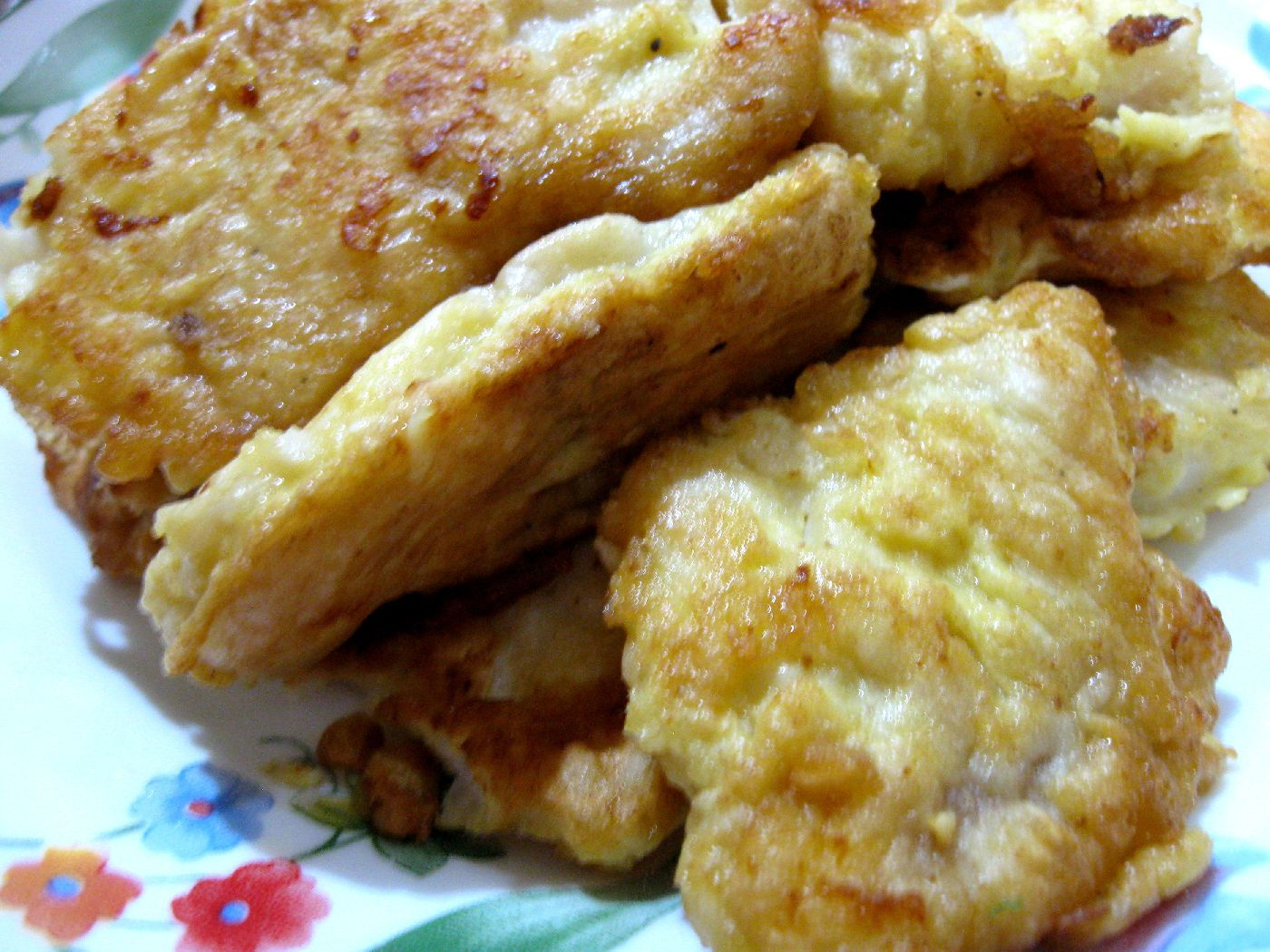
Image by hannaone: Daegu-jeon
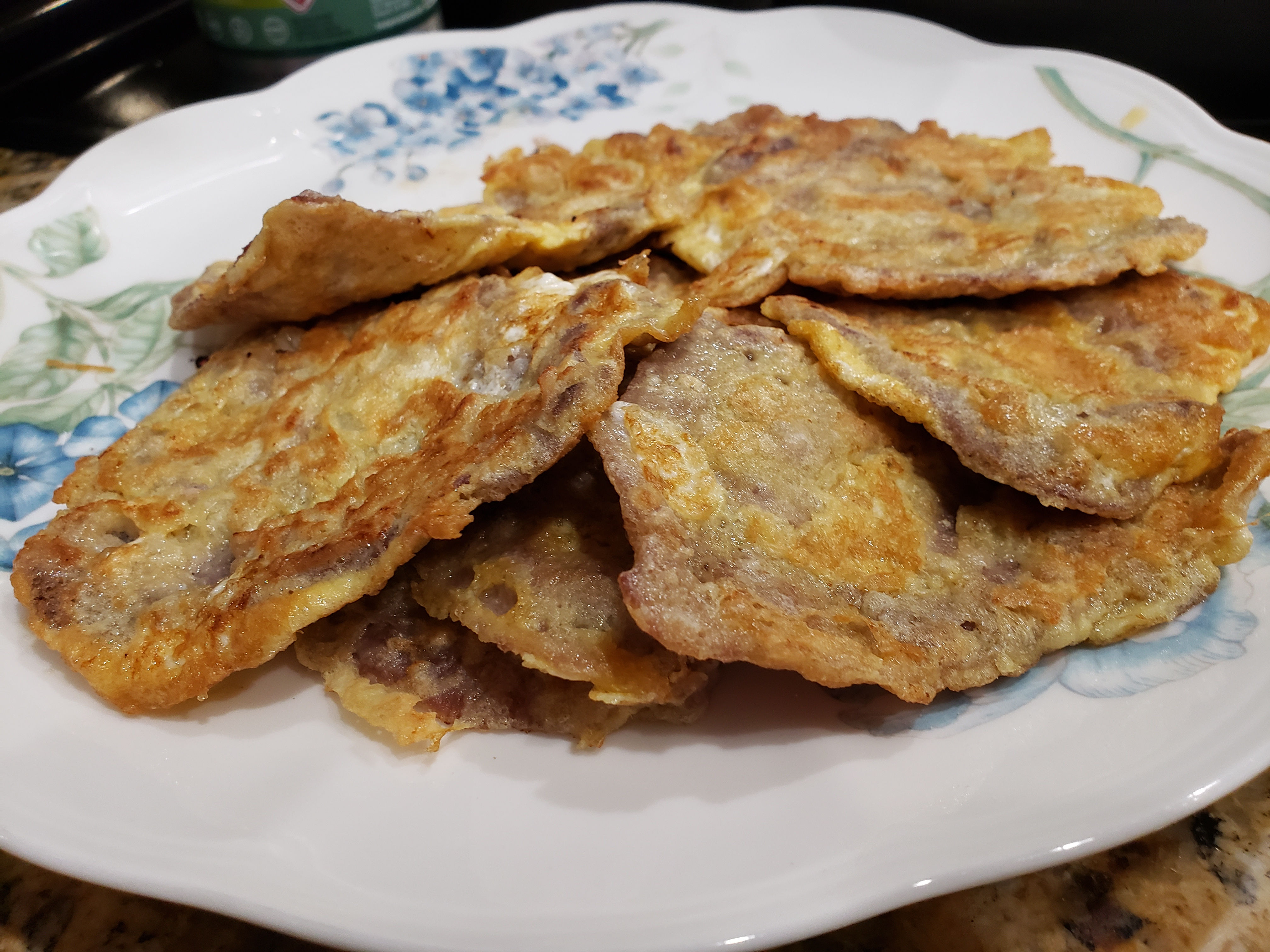
Image by hannaone: gogi-jeon
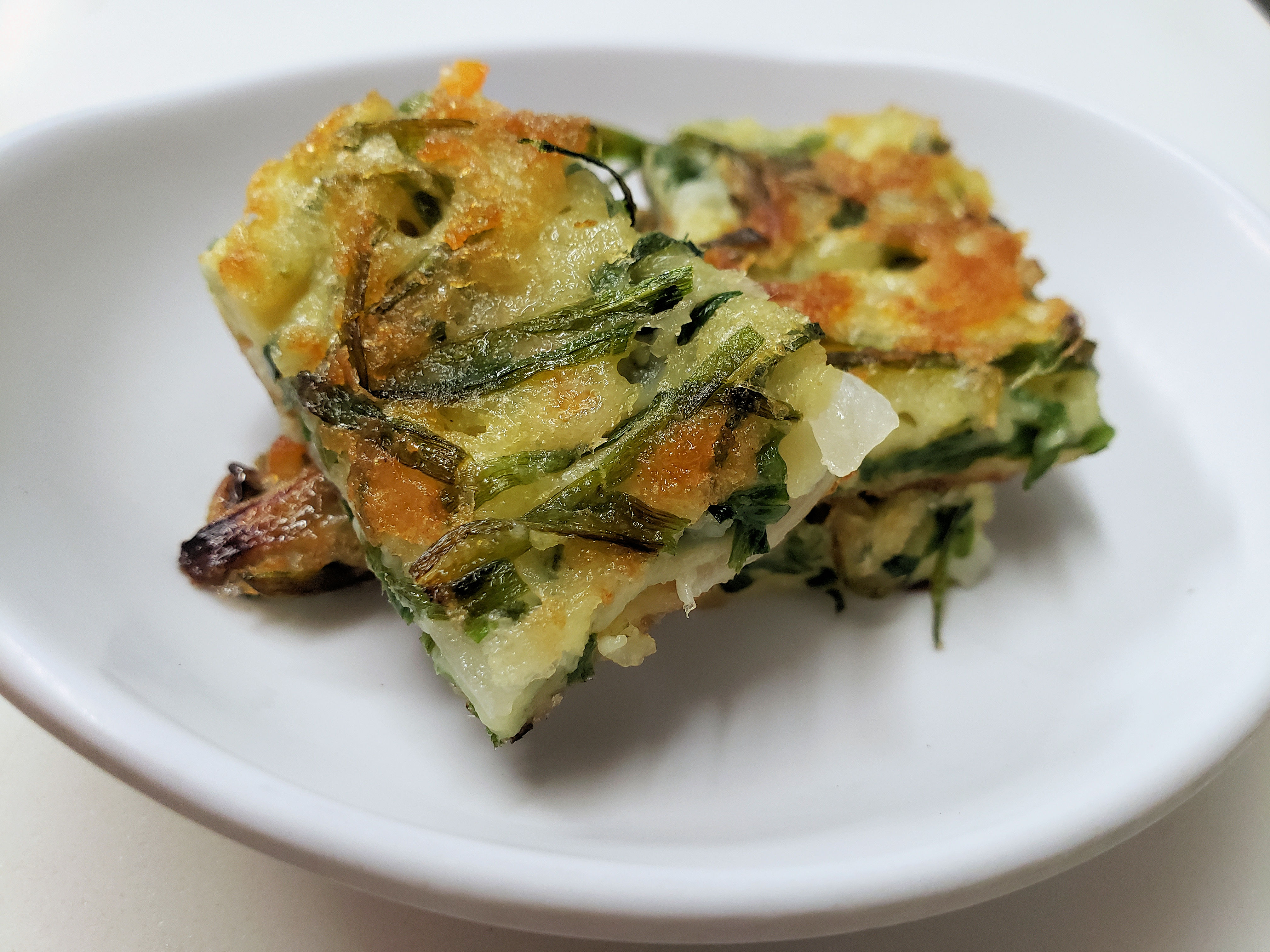
Image by hannaone: Garden fresh buchu-jeon

Comment?