Articles
Healing Powers of Nature: Exploring Korean Herbal Remedies
한약 | hanyak
Hanyak: The Living Tradition of Korean Herbal Medicine
Korean herbal remedies, known collectively as hanyak, sit at the heart of traditional Korean medicine. For centuries, people turned to the mountains, fields, and forests for healing—trusting that nature held answers long before modern clinics existed.
One of Korea’s oldest myths even ties the origins of humanity to medicinal plants. In the story of Hwanung, the Son of Heaven, a tiger and a bear wish to become human. They’re told to eat only garlic and mugwort—described as “medicine edible”—and to endure the darkness of a cave. Only the bear succeeds, transforming into Ungnyeo, the Bear Woman, who later becomes the mother of the Korean people. It’s a reminder that, in Korean culture, medicine and transformation have always been intertwined.
What Makes Hanyak Unique
Hanyak remedies come from natural ingredients—roots, leaves, stems, seeds—and are used to restore balance and harmony within the body. While it shares philosophical roots with traditional Chinese medicine, Korean medicine developed its own approach, shaped by local plants, climate, and cultural beliefs.
Hanyak can be used on its own or alongside contemporary Western treatments. It’s part of the broader hanbang system, which also includes acupuncture, moxibustion, cupping, and various folk therapies.
Balancing Energies and Elements
A central idea in traditional Korean medicine is the balance of um and yang—complementary energies that shape physical and emotional well‑being. Practitioners also look at how the body’s internal substances interact with the world around it.
Sometimes illness is seen not just as a physical imbalance but as a sign of unmet emotional or spiritual needs. In that sense, hanyak aims to restore harmony across the whole person, not just treat symptoms.
Why Hanyak Matters
Beyond its medical uses, hanyak carries cultural weight. It has survived periods when traditional Korean practices were discouraged or suppressed, and it has long provided accessible care for communities with limited resources.
Modern researchers continue to study Korean herbal remedies, exploring their potential benefits for conditions such as asthma, obesity, and inflammation. And many of the herbs used for centuries—like ginseng, licorice root, and ginger—remain staples in Korean households today.
How Korean Herbal Medicines Are Classified
Herbal ingredients are generally grouped into four categories:
- Roots
- Stems and branches
- Flowers and leaves
- Fruits and seeds
Each category has its own strengths. Roots like ginseng are prized for vitality and stamina. Leaves and flowers often soothe or cool the body. Fruits and seeds may support digestion or circulation.
A Closer Look at Some Popular Herbs
Ginseng
Ginseng has been used across Asia for centuries and is one of Korea’s most iconic herbs. It’s associated with:
- Supporting energy and alertness
- Enhancing memory and cognitive function
- Helping regulate blood sugar
- Supporting digestion and heart health
- Strengthening immune function
Different types—such as American vs. Asian ginseng—contain different active compounds, so their effects may vary.
Licorice Root
Licorice root is valued for its naturally sweet flavor and its soothing properties. Its key compounds, including glycyrrhizin and flavonoids, are associated with:
- Easing coughs and sore throats
- Supporting respiratory health
- Aiding digestion
- Modulating immune responses
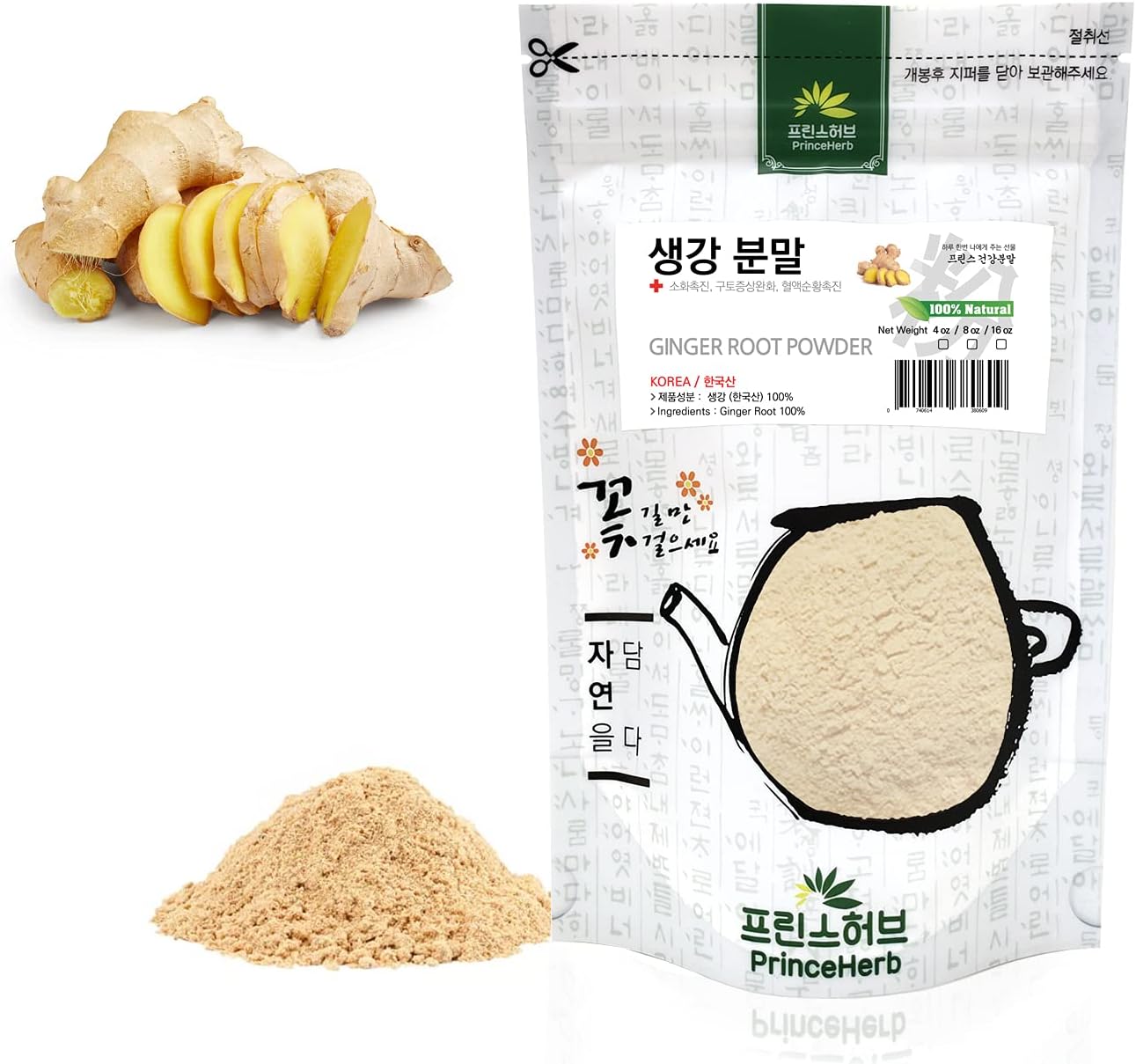
Ginger
Ginger is both a kitchen staple and a respected herbal remedy. Its main compound, gingerol, offers:
- Anti‑inflammatory and antioxidant effects
- Relief from nausea, including morning sickness
- Support for digestion and reduction of cramps
- Potential benefits for weight management
- Relief from joint discomfort and migraines
- General immune support
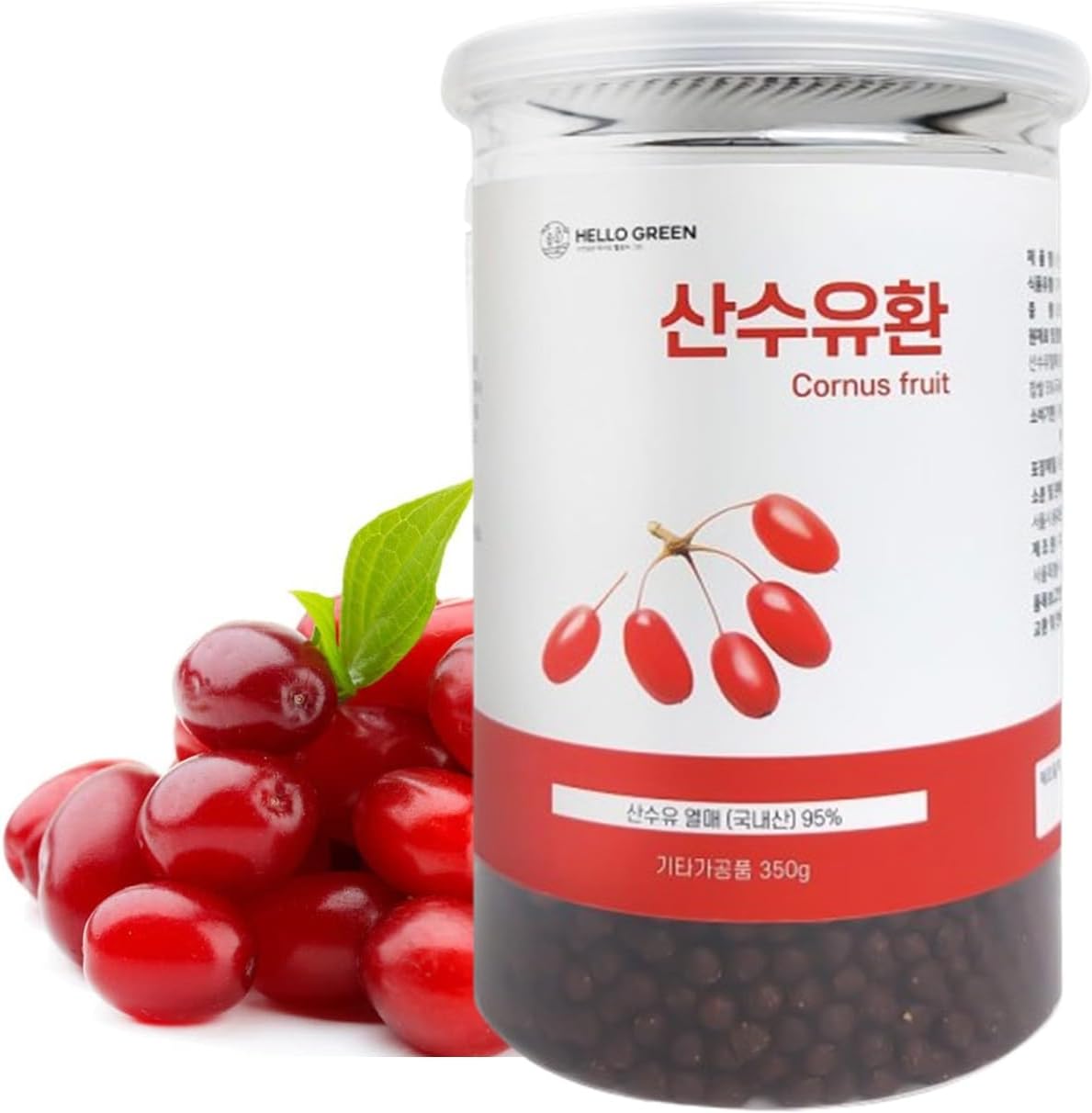
Cornelian Cherry (Cornus mas)
This small, ruby‑colored fruit has been used traditionally for:
- Antioxidant protection
- Antimicrobial support
- Reducing inflammation
- Supporting heart health
- Easing digestive complaints
- Helping with cold and flu symptoms
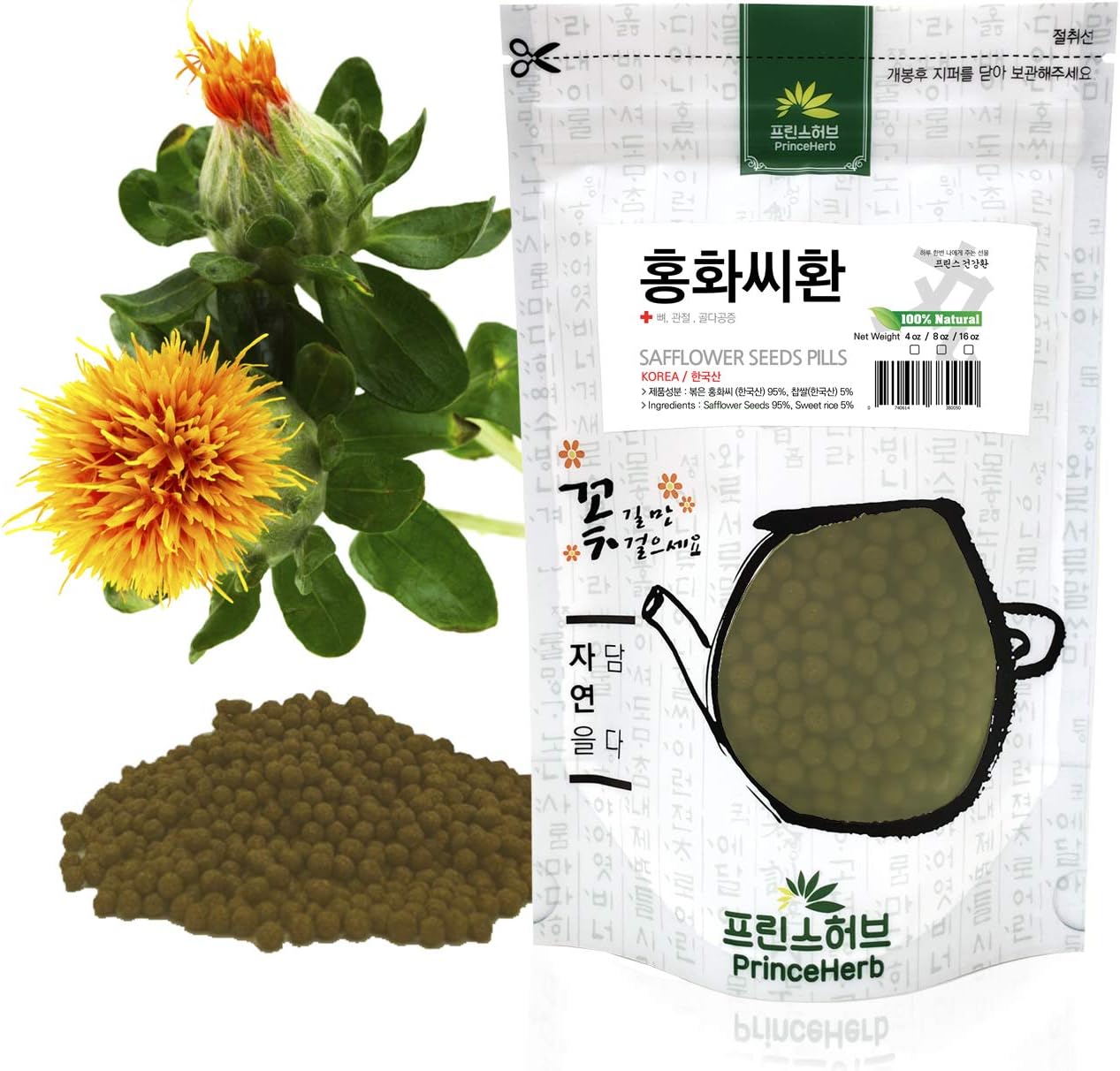
Safflower Seed
Safflower seeds and safflower oil are known for:
- Supporting heart health by lowering LDL cholesterol
- Providing antioxidant and anti‑inflammatory benefits
- Improving blood flow and helping reduce hypertension
- Potentially aiding blood sugar regulation
- Helping reduce abdominal fat in some populations
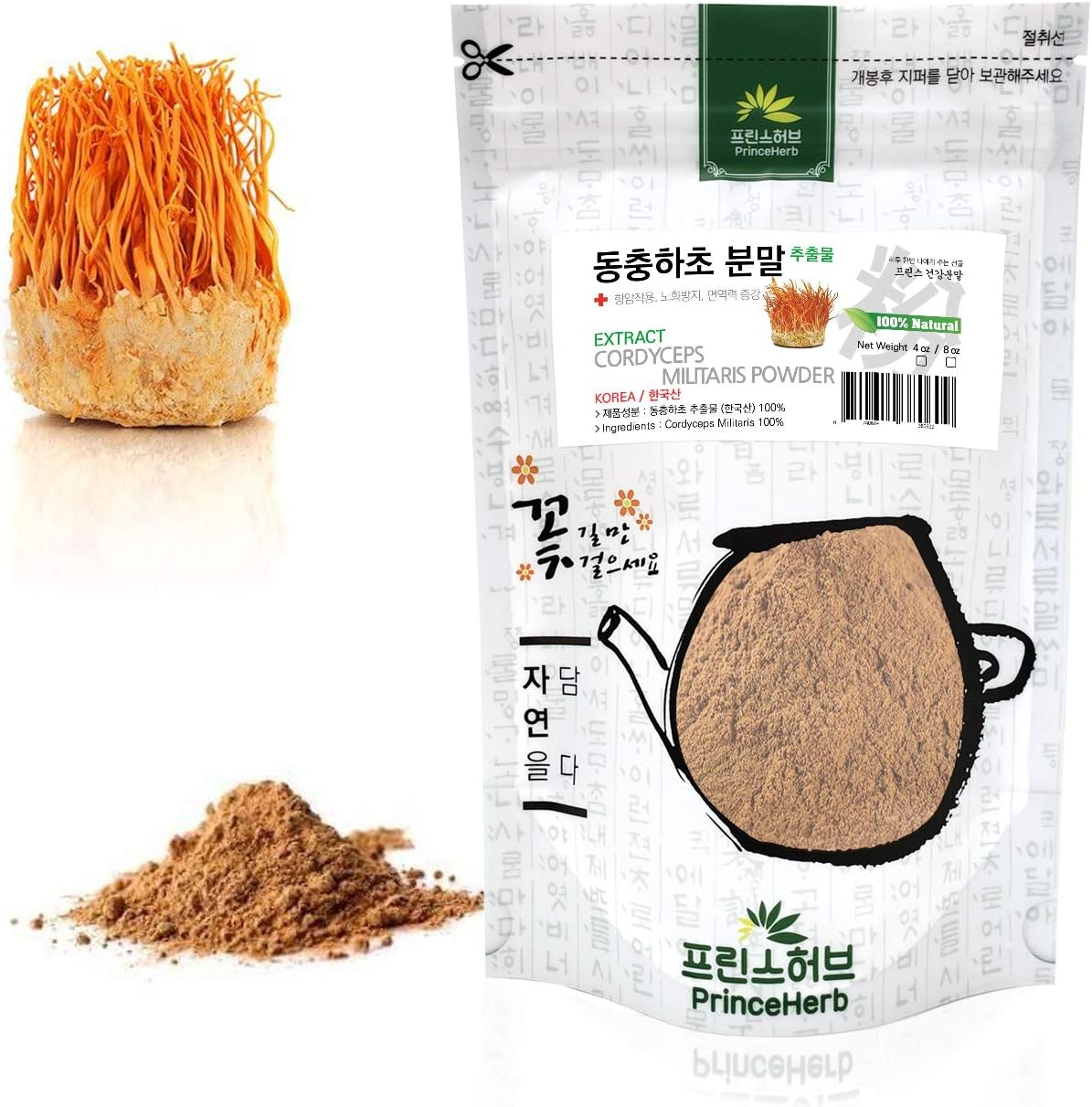
Cordyceps Militaris
Cordyceps militaris has long been used to support energy, recovery, and overall vitality. Historically, it was given to people dealing with fatigue, chronic sickness, kidney conditions, and low libido. Today, modern extracts have made Cordyceps more accessible, and interest in its potential benefits continues to grow.
Cordyceps is most commonly used for:
- Kidney disorders
- Male sexual health concerns
- Supporting recovery after a kidney transplant
- Liver problems
Some traditional uses are still being studied, and scientific evidence remains limited. These include:
- Improving athletic performance
- Coughs and chronic bronchitis
- Respiratory issues
- Nighttime urination
- Anemia
- Irregular heartbeat
- High cholesterol
- Dizziness and general weakness
- Ringing in the ears
- Unwanted weight loss
A Tradition That Endures
Hanyak has lasted because it adapts. It bridges the old and the new, honoring cultural heritage while continuing to evolve through research and practice. For many Koreans—and for people around the world exploring herbal wellness—it remains a trusted way to support health.
If you’re curious about trying Korean herbal supplements, shops like Prince Herbs offer a wide range of options.
Just remember: herbal remedies can interact with medications or cause side effects. It’s always best to consult a physician or licensed herbal practitioner before starting any new regimen.
Disclaimer
This article is for educational purposes only. It is not intended to diagnose conditions or prescribe treatments. Always speak with a healthcare professional before using herbal remedies
Article by Gil "hannaone" © Copyright 2025-2026. All rights reserved.
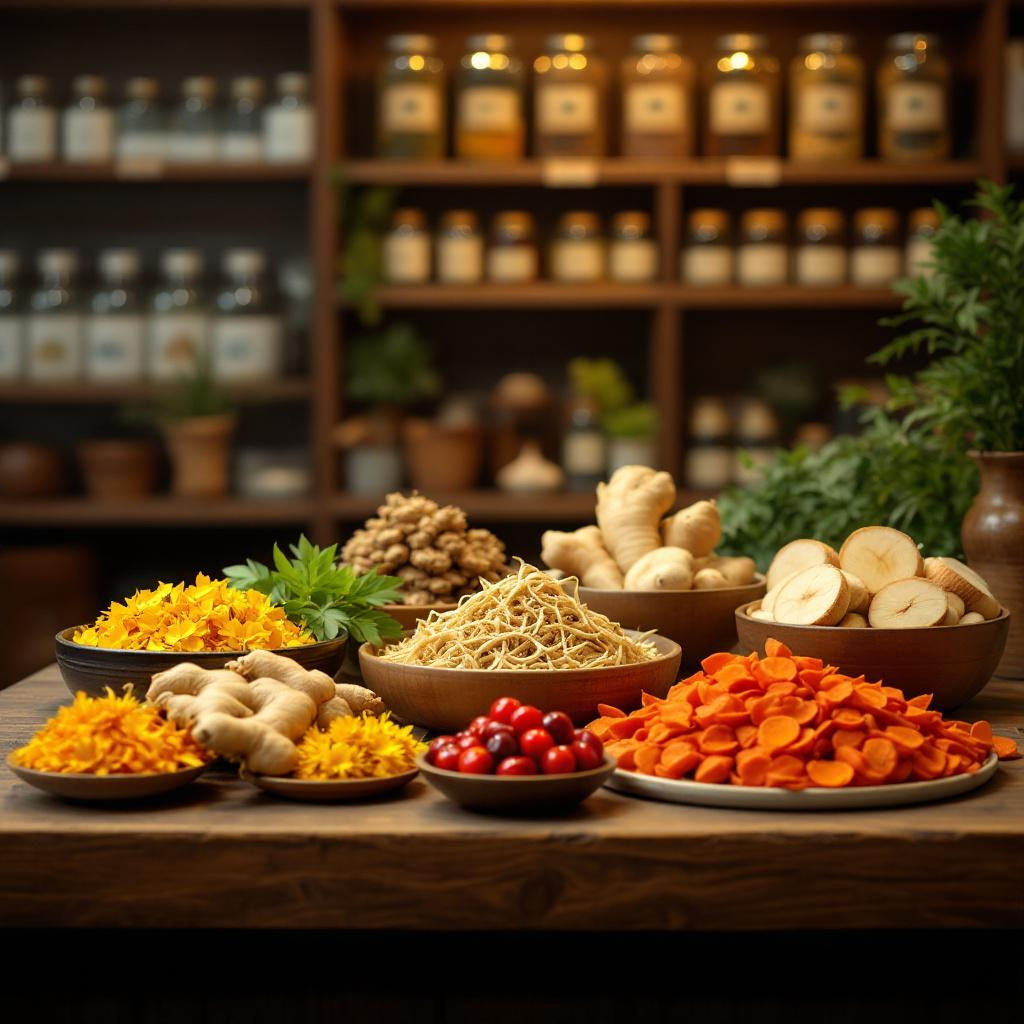
Image by hannaone and AI
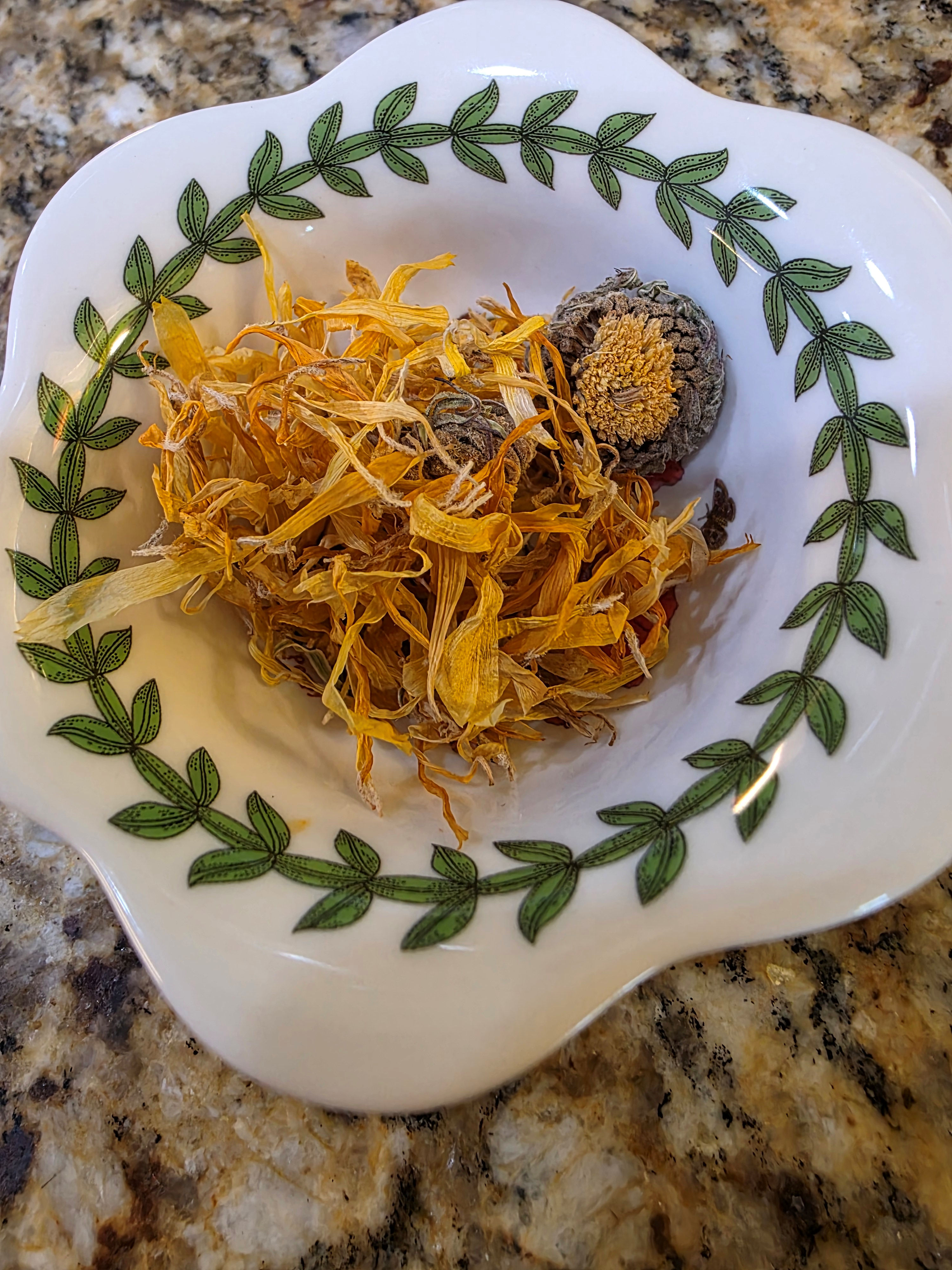
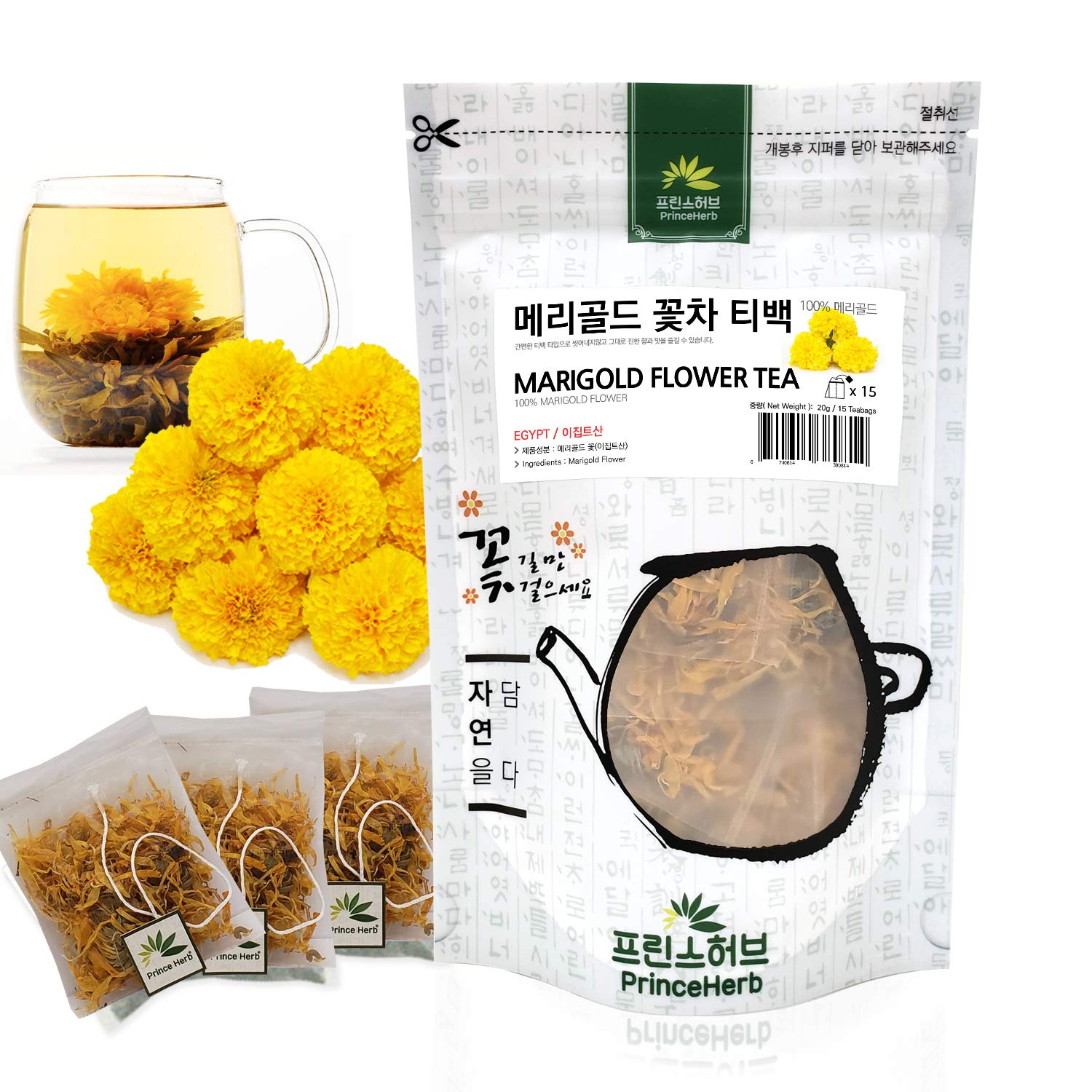
Image by hannaone: Marigold Flower for Tea
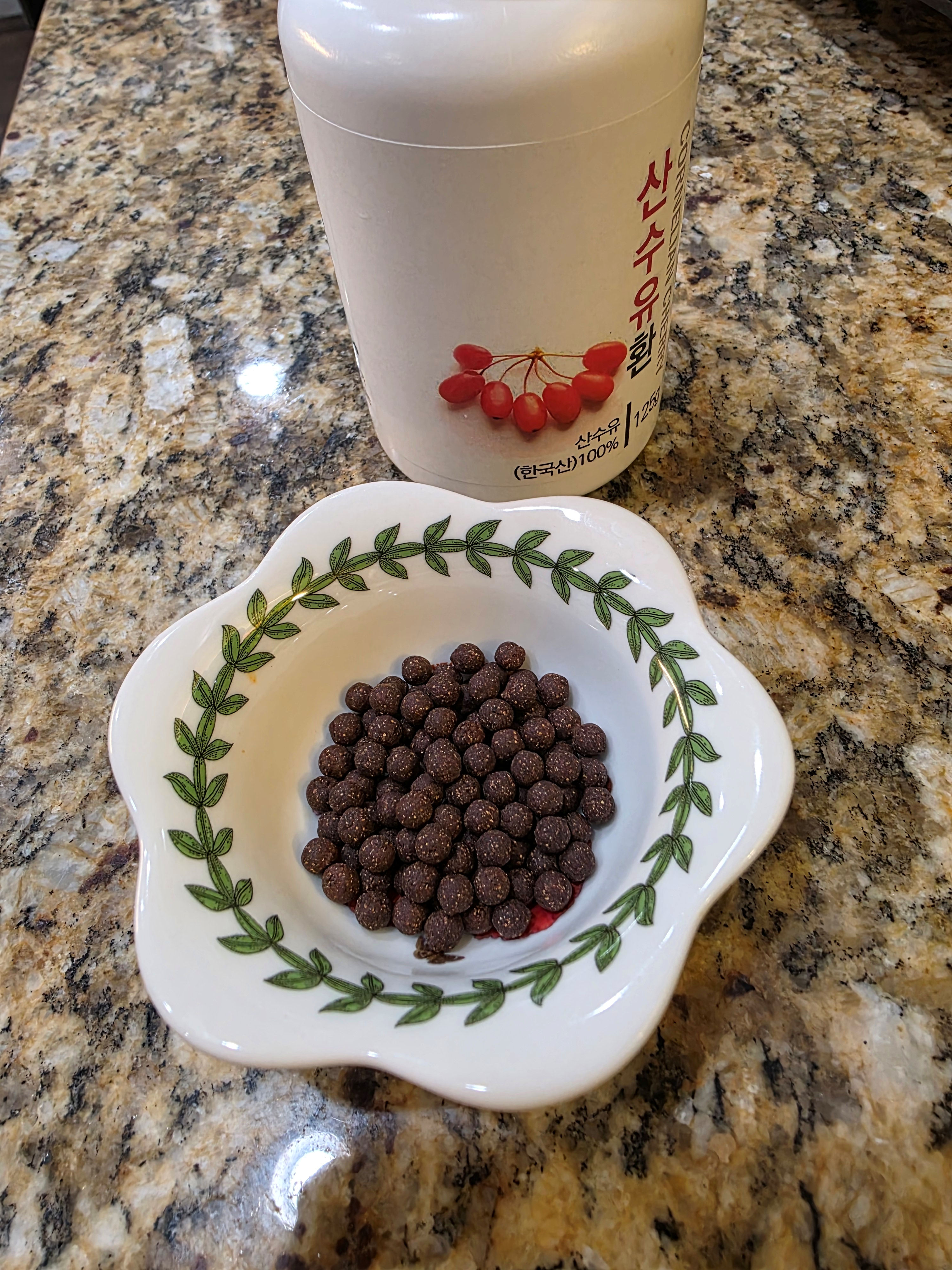
Image by hannaone: Cornelian Cherry Natural pills
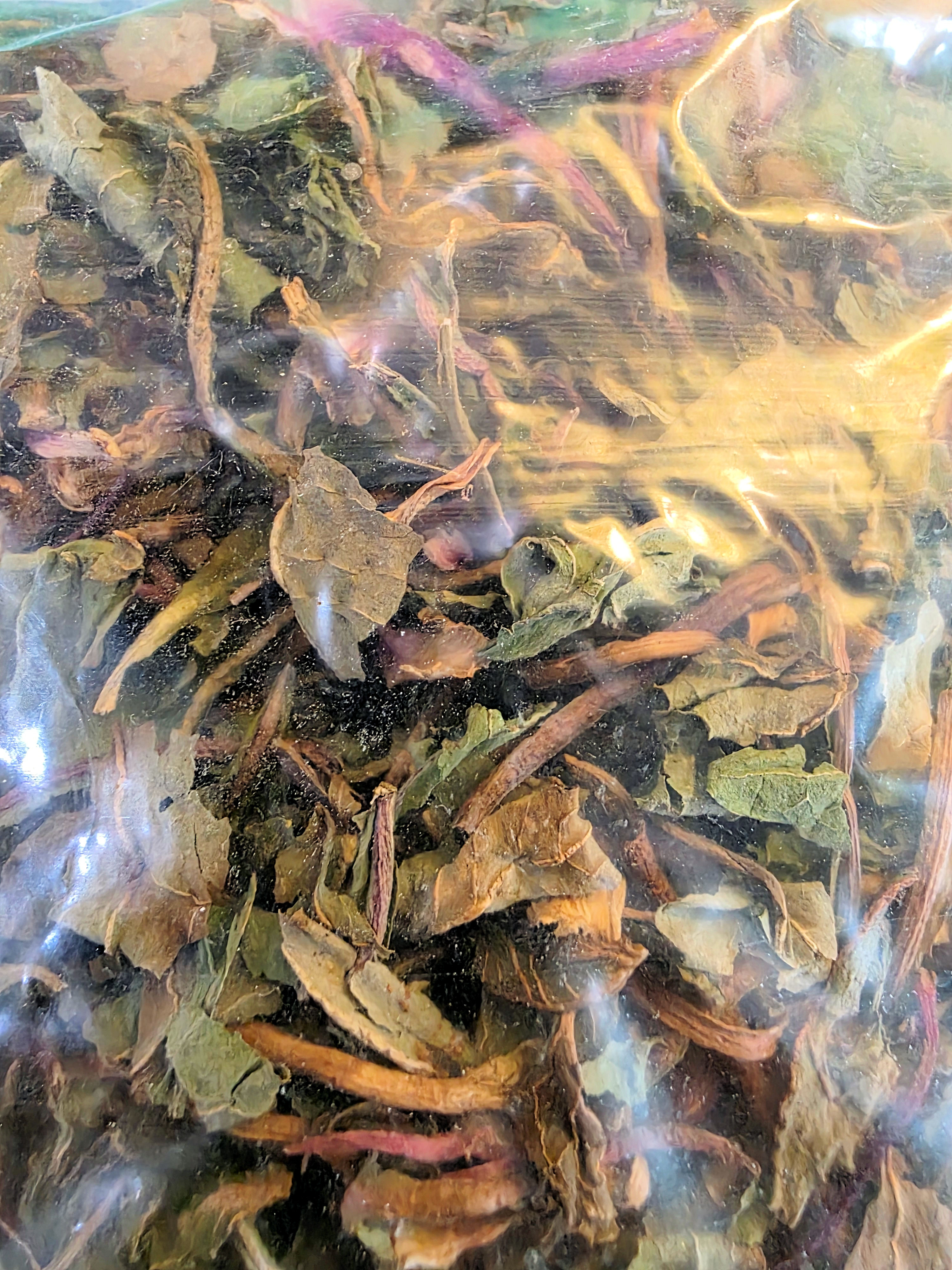
Image by hannaone: Dandelion
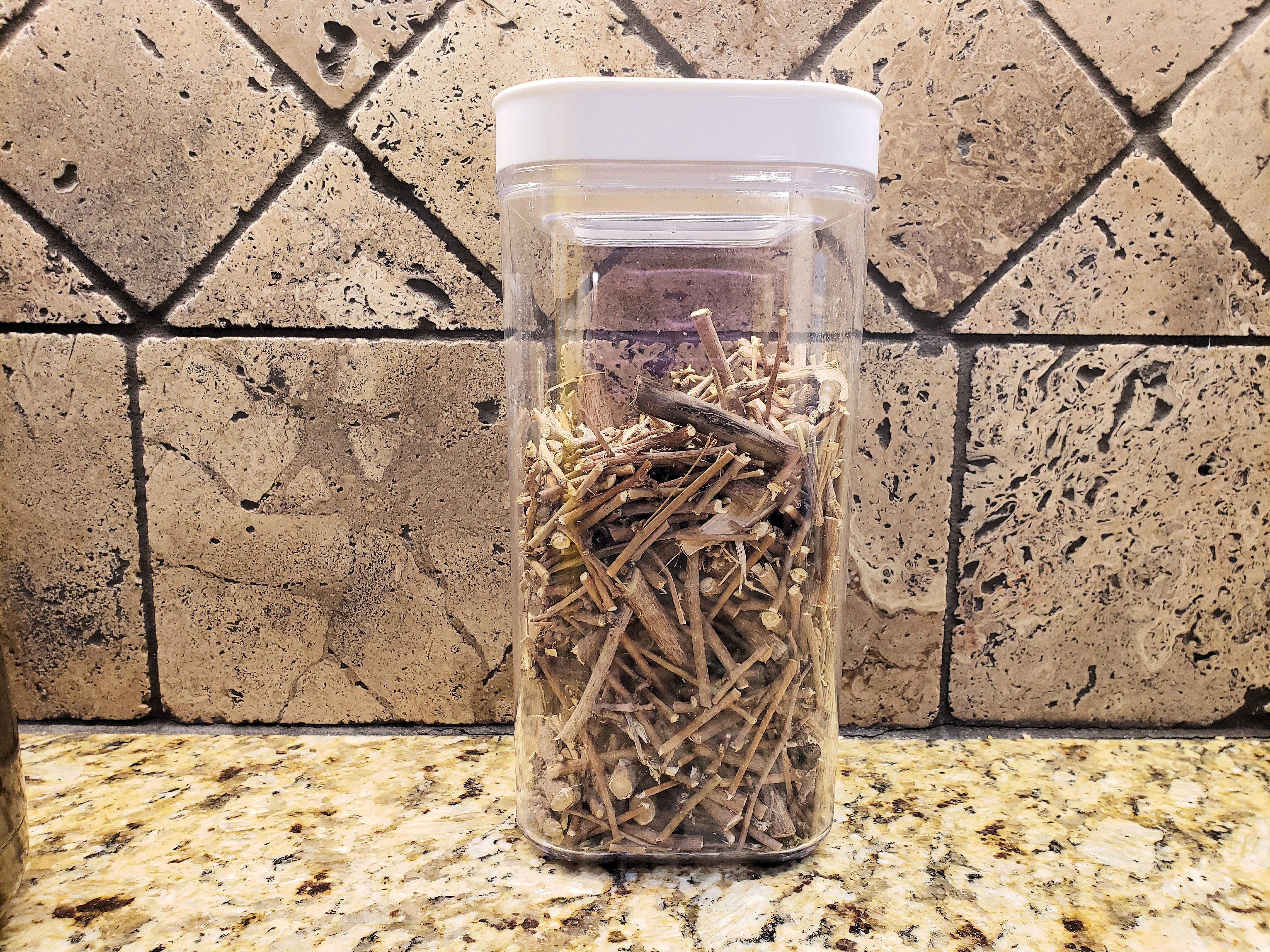
Image by hannaone: Home grown and dried Mulberry Tree trimmings
Comment?