Articles
Galbi-jjim Korea's Slow Braised Rib Dish
갈비찜 | galbi-jjim
Galbi‑jjim (갈비찜)
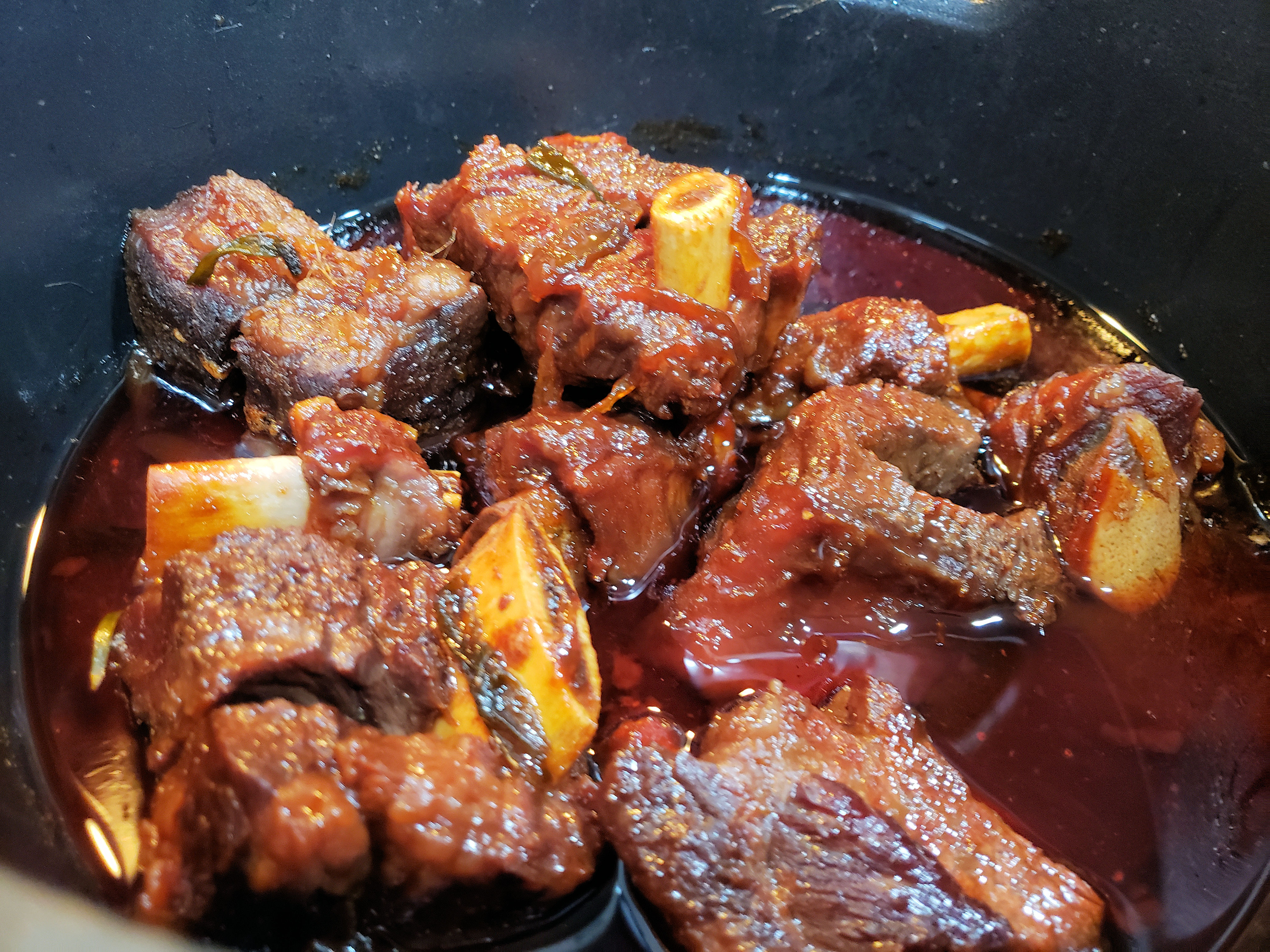
Galbi‑jjim is Korea’s braised short rib dish—tender beef ribs cooked slowly in a seasoned soy‑based broth with vegetables like onion, potato, or carrot. It’s a familiar comfort food across Korea and a staple for holidays and special meals.
A Bit of History
The cooking method jjim—braising or steaming—developed in both royal and everyday kitchens. Commoner households used it to stretch ingredients and make tougher cuts more enjoyable, while royal cooks focused on refinement and presentation.
Galbi‑jjim likely took shape during the Joseon Dynasty. Beef was tightly regulated at the time and appeared mainly on royal tables for centuries. In the court, galbi‑jjim was served during major holidays such as Chuseok alongside dishes like songpyeon, namul, taro soup, chestnut dumplings, chicken jjim, and seasonal fruits.
Where You’ll Find Galbi‑jjim
You’ll mostly see galbi‑jjim in restaurants that specialize in it, often with “갈비찜” in the name. These places focus on tender ribs and well‑balanced sauces, and many offer their own variations.
Some naengmyeon restaurants—like Seocho Myeonok—also serve galbi‑jjim, pairing cold noodles with a hot, beefy broth. A few Korean barbecue restaurants include it as well, especially those that already serve grilled galbi.
Cooking Galbi‑jjim at Home
Making galbi‑jjim at home gives you room to adjust ingredients and build your own style. Carrot, red potato, whole garlic cloves, and other sturdy vegetables all work well.
Preparing the Ribs
- Use cross‑cut short ribs, about 1½ to 2 inches thick.
- Rinse and soak them in cold water to remove excess blood.
- Trim visible fat, either before cooking or after a quick parboil. This helps the seasoning penetrate and keeps the broth cleaner.
Seasoning and Braising
A typical seasoning mixture includes soy sauce, sesame oil, minced garlic, onion, pepper, ground sesame with salt, ginger juice, and a sweetener such as sugar or fruit juice. Korean pear is a common choice because it tenderizes the meat and adds mild sweetness.
As the ribs simmer, you can add vegetables and optional ingredients. Royal‑style versions often include jujube, ginkgo nuts, pine nuts, chestnuts, and mushrooms. Everyday versions lean on potato, carrot, onion, and sometimes peanuts.
Galbi‑jjim is traditionally served in a bowl called a hap, and the ribs should be tender enough to pull apart easily.
Tips for Better Galbi‑jjim
- Low and slow cooking gives the best texture and flavor.
- A pressure cooker or slow cooker can speed things up without sacrificing tenderness.
- Use good soy sauce and fresh vegetables; they make a noticeable difference.
- Adjust the sweet‑savory balance to your taste.
- Adding tteok (rice cakes) lets them soak up the sauce.
- Finish with sesame seeds and sliced green onion for aroma and color.
Serving Galbi‑jjim
Serve it hot and shareable. White rice balances the richness, and kimchi adds a bright, tangy contrast. A small spread of banchan—pickled radish, seasoned spinach, or whatever you have—rounds out the meal. Beer, soju, or makgeolli all pair well with the dish.
Regional and Modern Variations
- Spicy Galbi‑jjim (매운갈비찜): Daegu’s Dongin‑dong district is famous for its fiery version, first served as anju for makgeolli in the early 1970s.
- Jong‑galbi‑jjim: A pork‑rib variation seasoned with soy sauce, ginger juice, garlic, sesame oil, and pepper, cooked over high heat until the sauce reduces.
- Local twists: Depending on the region, you may see additions like chestnuts, pine nuts, or specific vegetables.
Flavor Profile
Properly cooked galbi‑jjim is tender, slightly sweet, and deeply savory. The sauce is aromatic from garlic, soy, and sesame, and the meat often has a faint pink hue from the braising liquid.
Article by Gil "hannaone" © Copyright 2025-2026. All rights reserved.
Galbi-jjim
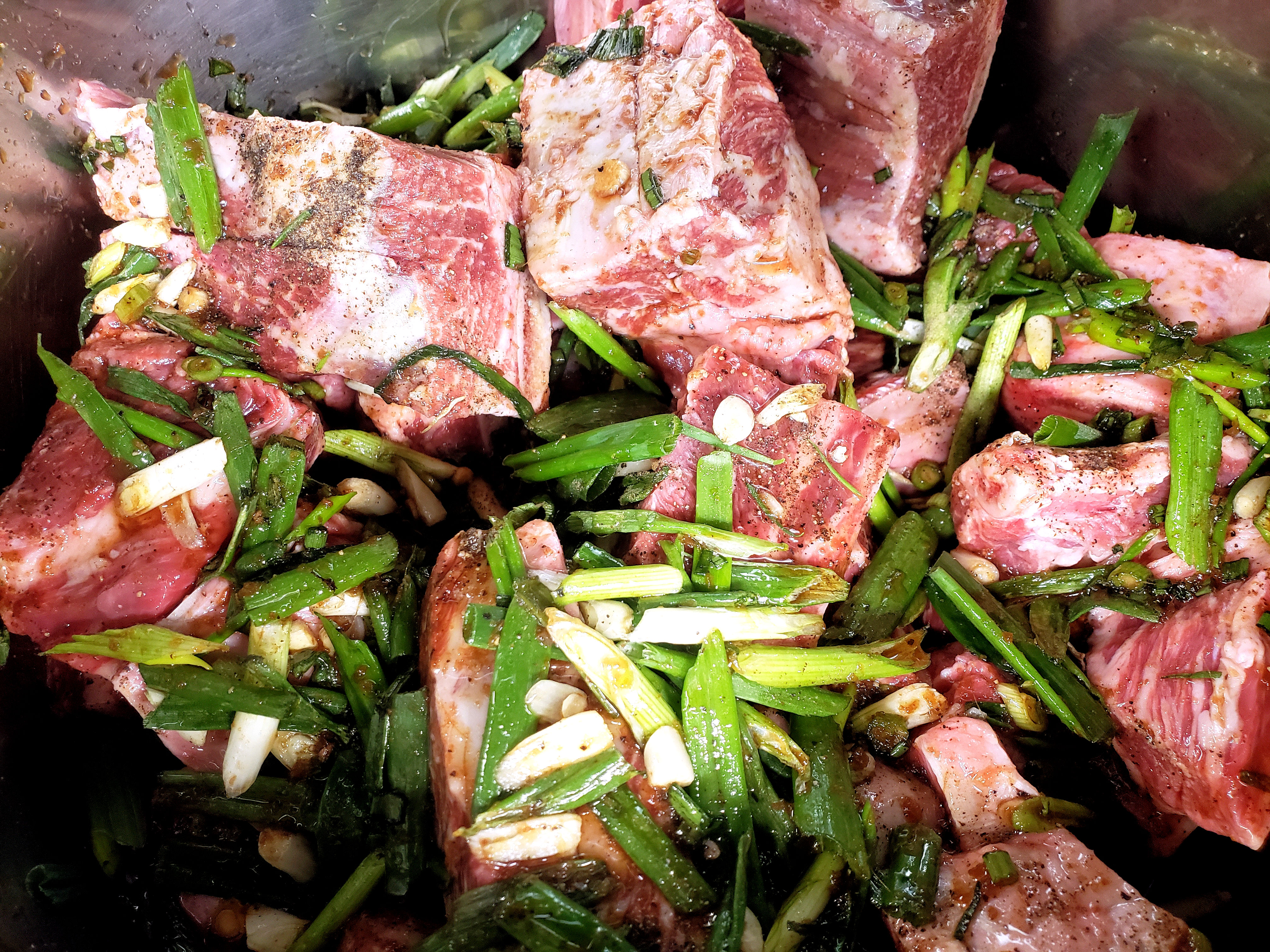
Image by hannaone: Cooking galbi-jjim
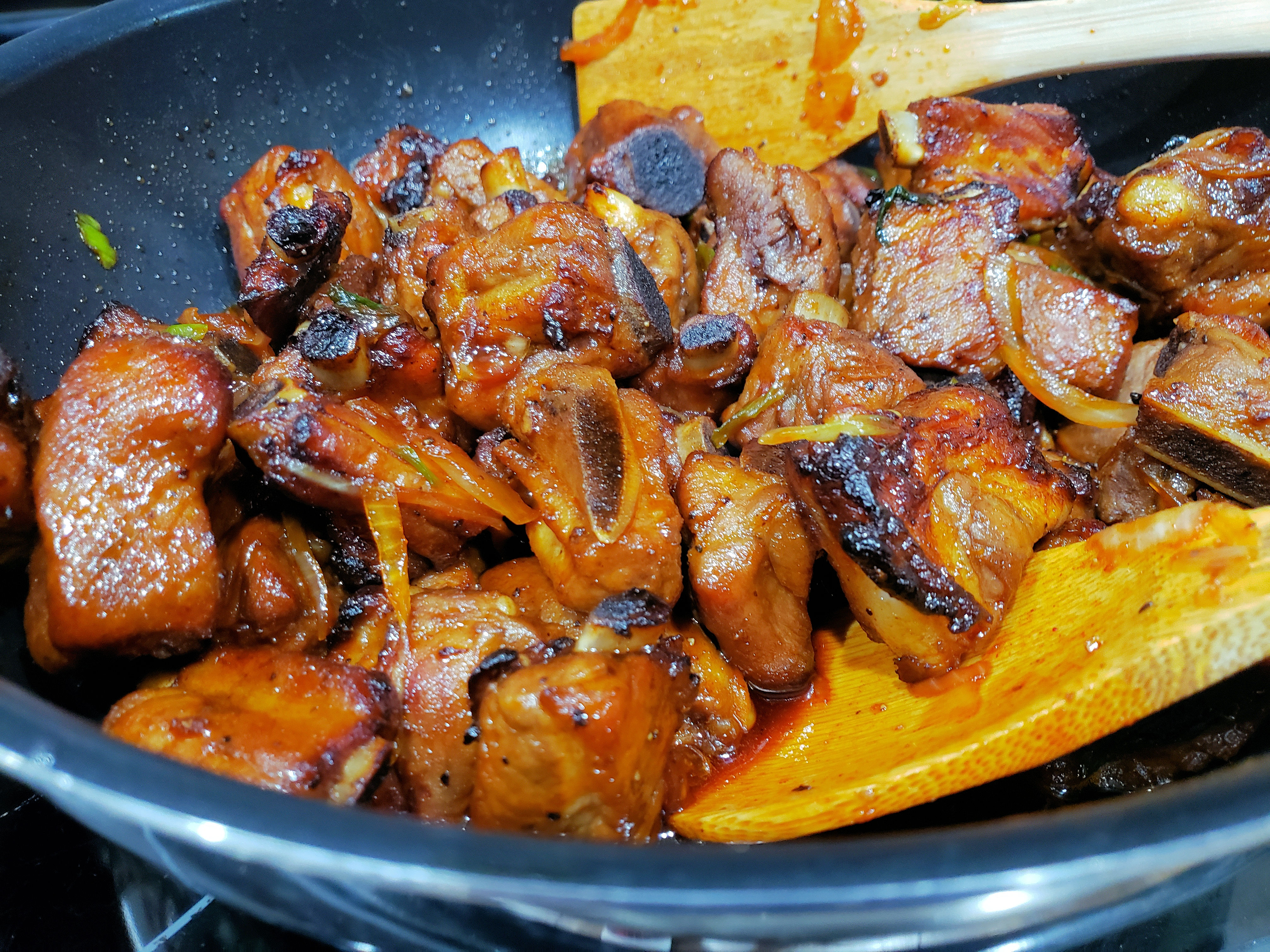
Image by hannaone: Pork galbi-jjim
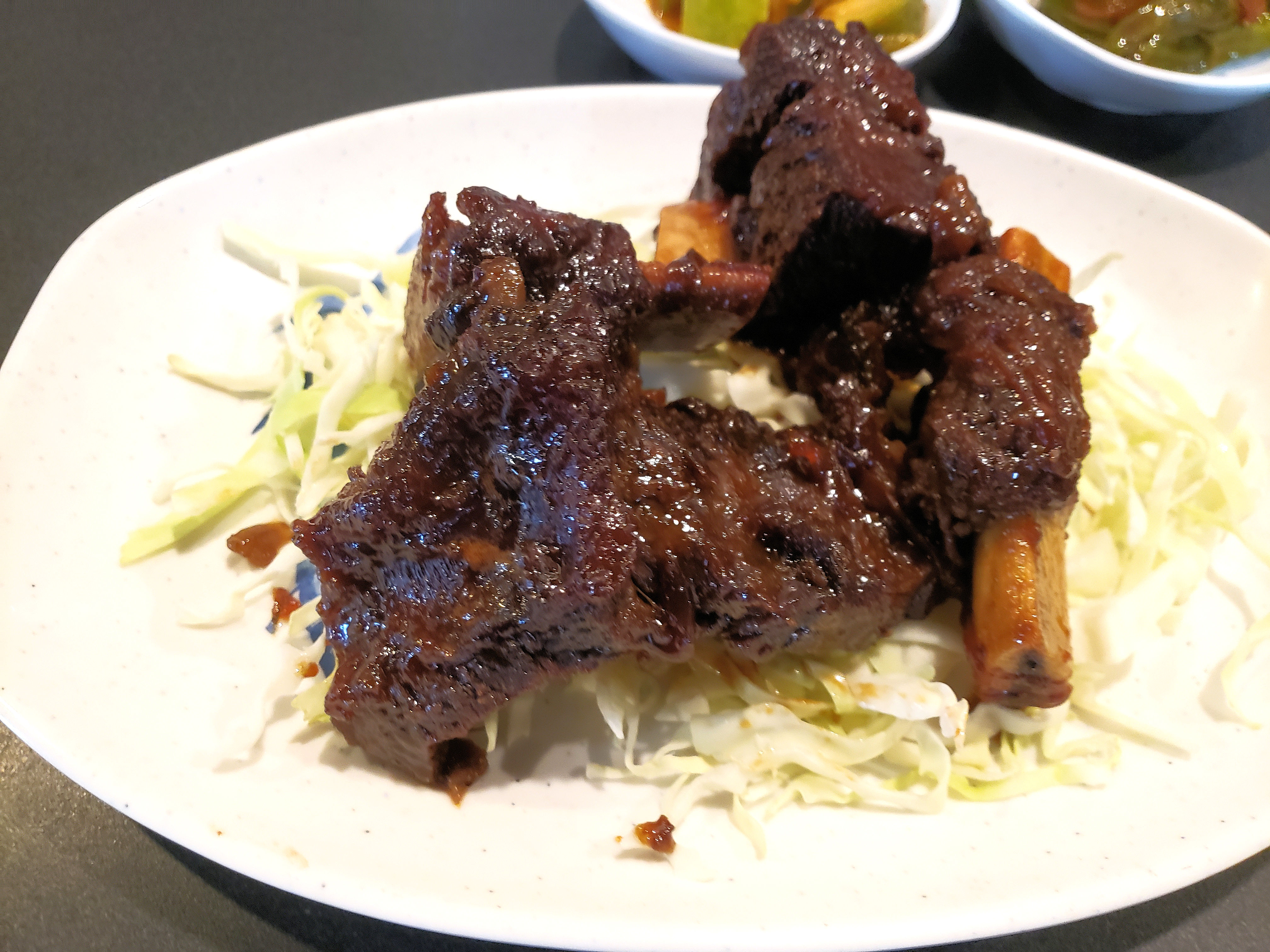
Image by hannaone: Galbi-jjim

Comment?