Articles
Article: Korea's Early Cooking Methods
Early Cooking Methods in Korea
Early Korean cooking developed in response to the peninsula’s agricultural rhythms and the need to preserve food through long, harsh winters. Many foundational techniques trace back to the Neolithic period (roughly 8000–2000 BCE), and they continue to shape the flavor and structure of Korean cuisine today.
Core Traditional Techniques
Traditional Korean cooking relied heavily on boiling, blanching, steaming, and fermenting. Frying and baking were far less common until relatively recent times.
• Fermentation (Jang & Kimchi)
Fermentation is the cornerstone of Korean food culture. Early Koreans used large earthenware jars—often buried or partially buried—to maintain stable temperatures for fermenting vegetables and soy-based products such as doenjang, ganjang, and gochujang. This method preserved food for winter while deepening flavor and improving nutritional value.
• Boiling and Simmering
Boiling and long simmering produced everyday staples like bap (rice), guk (soups), and jjigae (stews). Earthenware pots such as ttukbaegi distributed heat evenly, making them ideal for broths that needed time to develop body and depth.
• Steaming (Jjim)
Steaming softened grains for fermentation and was essential for making tteok (rice cakes). The technique ensured clean flavors and preserved nutrients, which made it valuable in both ceremonial and everyday cooking.
• Grilling (Gui)
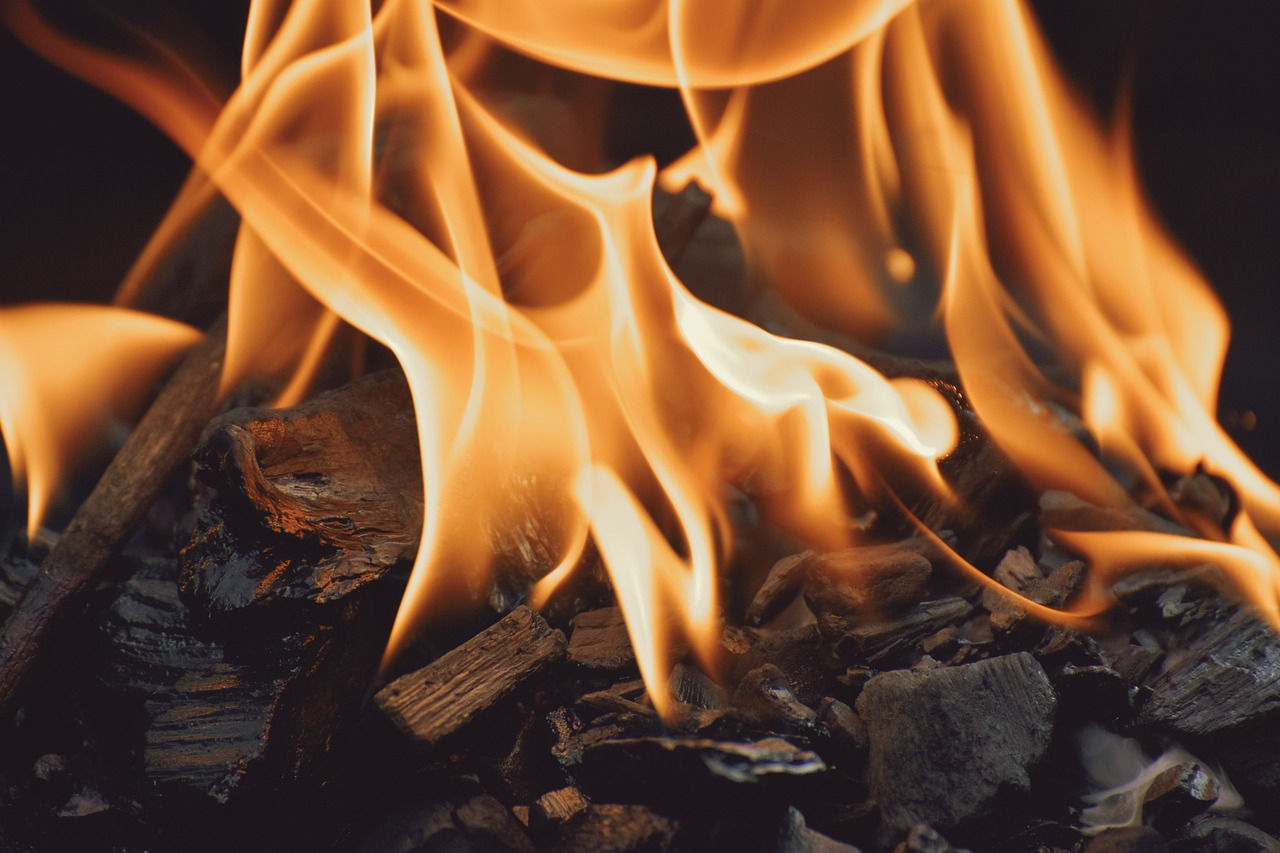
Grilling meat over open flame has ancient roots. The Goguryeo Kingdom (37 BCE–668 CE) was particularly known for roasted meats, a tradition that eventually evolved into modern Korean barbecue.
• Stir-Frying
Stir-frying entered Korean kitchens later, but it became a practical way to cook quickly while preserving the color, texture, and nutrients of vegetables and meats.
• Braising
Braising—used in dishes categorized as jjim—combined searing with slow cooking in seasoned liquid. This method produced tender, richly flavored dishes and was often reserved for special occasions.
Early Tools and Innovations
Korean cooking methods developed alongside specialized cookware:
| Tool | Purpose |
|---|---|
| Onggi | Breathable earthenware jars used for long-term fermentation. |
| Jeolgu | Stone mortar used for pounding and grinding grains into pastes or powders. |
| Siru | Traditional steamer used specifically for making rice cakes. |
| Gamasot | Large, heavy cast-iron cauldron used for boiling rice and soups over an open fire. |
| Ttukbaegi | Earthenware pot or bowl used for hot soups, stews, and steamed dishes. |
These tools weren’t just vessels—they shaped the flavors and textures that define Korean cooking.
Modern Adaptations
Modern Korean kitchens still rely on traditional principles, but technology has streamlined the process. Pressure cookers, electric rice cookers, and high-efficiency stoves shorten cooking times while preserving the essence of older methods.
Stir-frying and grilling have also adapted to indoor cooking environments, making it easier for home cooks to recreate dishes that once required open flames or large outdoor setups.
Benefits of Traditional Korean Methods
Traditional Korean cooking emphasizes preservation, balance, and nutrition:
- Fermentation boosts flavor and supports gut health.
- Slow cooking techniques develop depth without relying on heavy fats.
- Seasonal and local ingredients promote sustainability and variety.
These methods reflect a cuisine built on practicality, resourcefulness, and a deep respect for the natural environment
Article by Gil "hannaone" © Copyright 2025-2026. All rights reserved.
Image from Pixabay
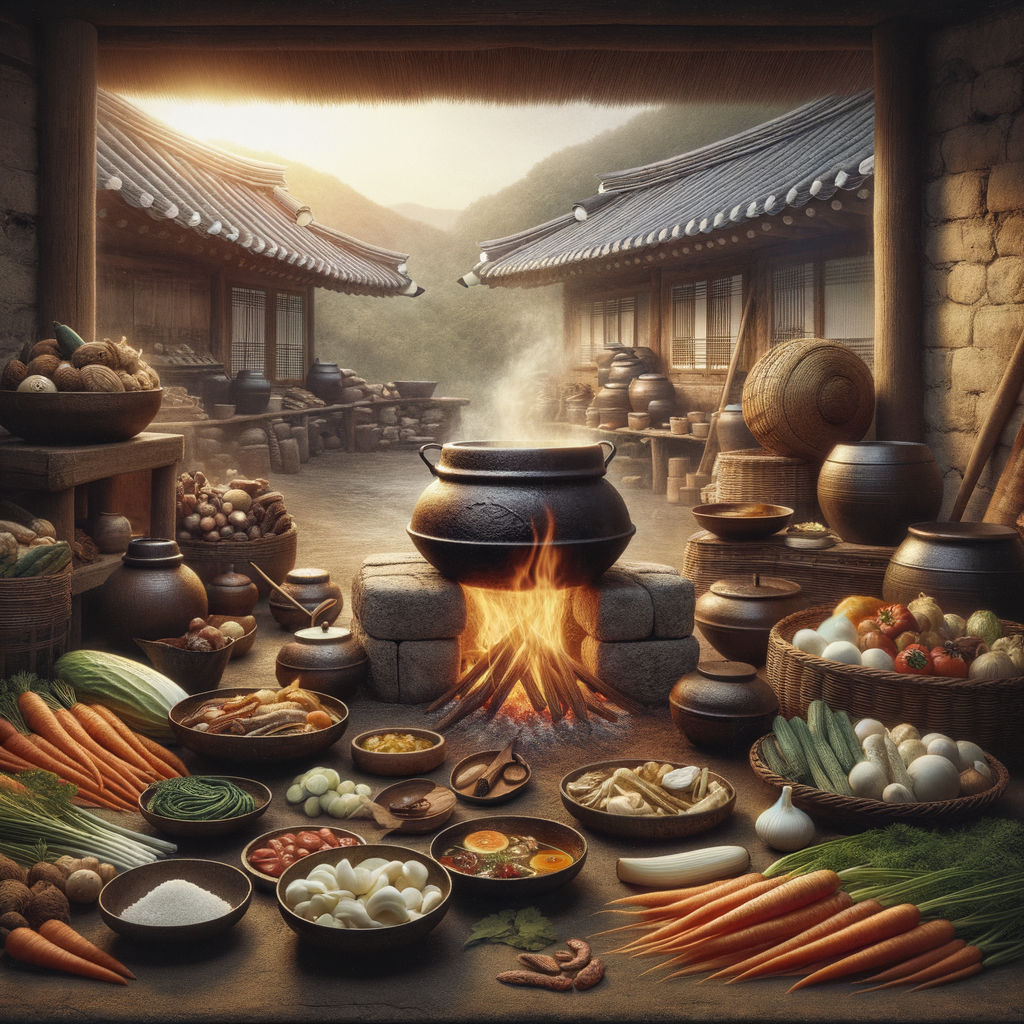
Image by hannaone and AI: Ancient Korean Cooking

Comment?