Articles
Gochu: The Plant that Changed Korean Cuisine
고추 | gochu
🌶️ Korean Chili Peppers: A Practical Introduction
Introduction
Chili peppers are so woven into Korean cooking today that it’s easy to forget they’re not originally from the peninsula. That bright red heat you see in kimchi, stews, and sauces comes from a plant that arrived relatively late in Korean history—but changed the cuisine permanently. Understanding how chili peppers took root in Korea helps explain a lot about the flavors people now associate with “Korean food.”
A Brief History of Chili Peppers in Korea
Chili peppers likely reached Korea in the late 16th century, during the Joseon Dynasty. The most widely accepted theory is that they were introduced through trade routes connected to the Portuguese. However they arrived, they spread quickly. Koreans already valued preserved foods, bold seasoning, and fermentation, so chilies fit naturally into existing culinary habits.
By the 17th century, chili peppers were appearing in regional dishes and eventually in kimchi, where they helped preserve vegetables and added the now‑iconic red color. Their adoption wasn’t just about heat—it was about practicality, flavor, and visual appeal. Over time, Korean cooks developed a distinct preference for layered, warming spice rather than sharp, aggressive heat, shaping the varieties grown on the peninsula.
Today, chili peppers are foundational to Korean cuisine. They show up fresh, dried, fermented, powdered, and pickled, and they influence everything from daily home cooking to regional specialties.
A Whispered History
When chili peppers first appeared in Joseon‑era Korea, they weren’t welcomed as a culinary gift. Their sharp heat was unlike anything Koreans had encountered, and early reactions leaned toward suspicion. Some people treated them as a potent medicinal ingredient; others believed they were outright poisonous. The Jibong Yuseol (1614), one of the earliest Korean encyclopedic texts, even described chili peppers as a “great poison,” reflecting how foreign and unsettling the new ingredient seemed.
Stories of people falling ill—or dying—after drinking extremely strong homemade soju mixed with chili peppers only reinforced the fear. In reality, the danger almost certainly came from unregulated distillation practices, not the peppers themselves, but the association stuck.
Over time, a rumor emerged that chili peppers had been introduced deliberately by Japan as a kind of covert harm, a story shaped by the lingering trauma of the late‑16th‑century invasions. According to the tale, the plan backfired: instead of being poisoned, Koreans embraced the pepper, discovering that it added flavor, aided preservation, and offered welcome warmth during harsh winters.
Whether or not anyone truly believed the rumor, it captures an important truth—Koreans didn’t just adopt chili peppers; they transformed them into a defining element of their cuisine.
How Chili Peppers Are Used
Chili peppers in Korea aren’t just about spiciness—they contribute color, aroma, and depth.
- Fresh chilies go into stews, stir-fries, and banchan. Mild green chilies are often eaten raw with ssamjang or served alongside grilled meats.
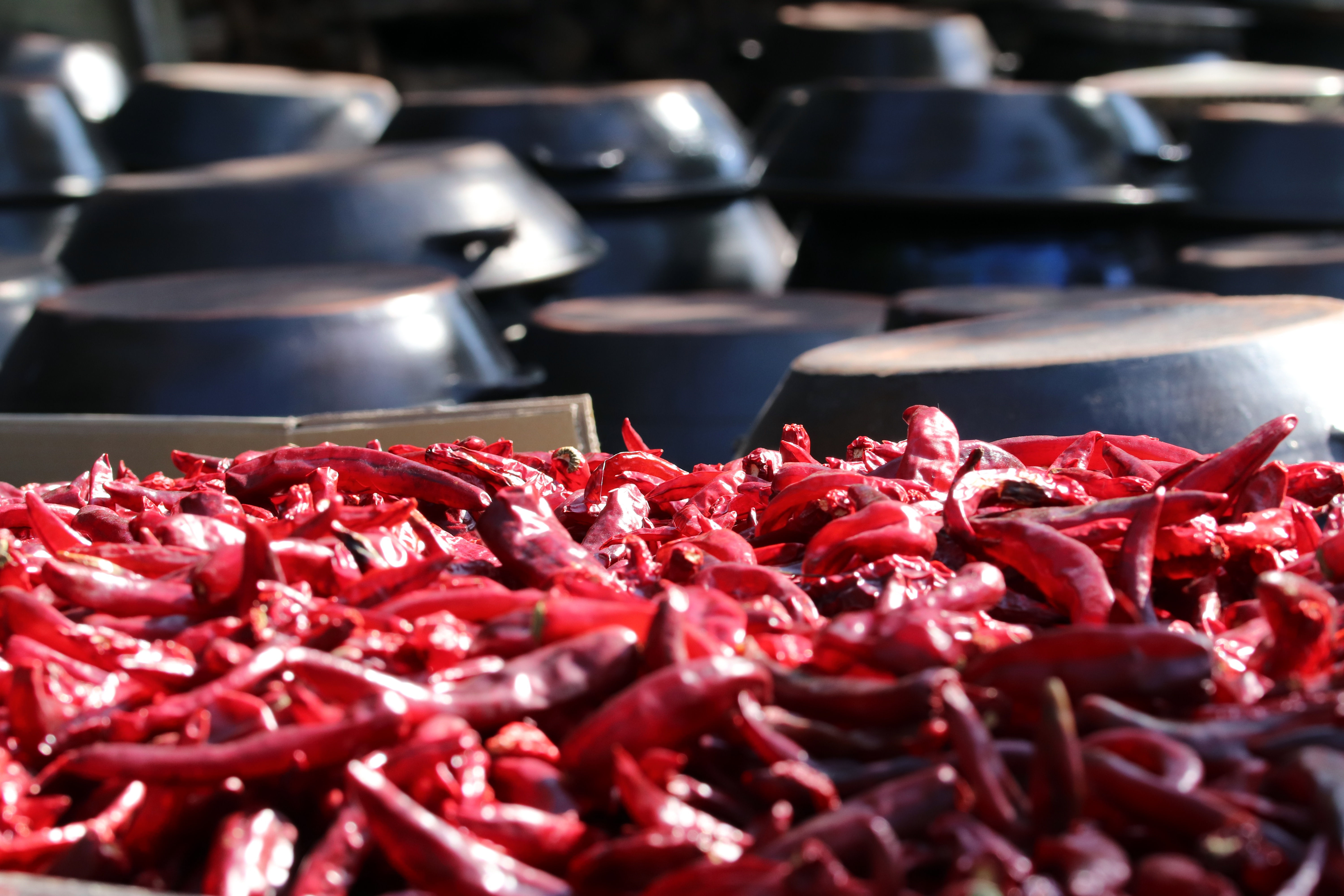
- Dried red chilies are the backbone of gochugaru, the coarse chili flakes used in kimchi, marinades, soups, and countless side dishes.
- Chili powder and paste form the base of gochujang, the fermented chili paste that adds sweetness, umami, and heat to dishes like bibimbap, tteokbokki, and grilled meats.
- Chili-infused sauces and marinades often combine garlic, ginger, soy sauce, and sesame oil, creating the savory-spicy balance that defines many Korean dishes.
Because Korean chilies tend to have moderate heat, they allow cooks to build flavor without overwhelming the dish. This makes them incredibly versatile in both traditional recipes and modern fusion cooking.
Common Chili Pepper Varieties in Korea
Put-gochu (풋고추) & Hong-gochu (홍고추)
These are the most familiar Korean chilies.
- Put-gochu: the young green version, mild and crisp. Eaten raw, pickled, or added to kimchi.
- Hong-gochu: the mature red version, typically sun-dried and ground into gochugaru.
Ggwari-gochu (꽈리고추)
A thin-walled, wrinkled pepper similar to shishito.
- Mild, slightly sweet, and great for stir-fries or pan-fried banchan.
- Often served alongside grilled meats.
Cheongyang-gochu (청양고추)
The heat-seeker’s pepper.
- Much spicier than typical Korean chilies.
- Used in stews, dipping sauces, and anywhere a sharper kick is needed.
- Usually sliced thin or added whole to broths.
Newer Hybrid Varieties
Korean growers continue to experiment, producing peppers with new textures and flavors.
- Oi-gochu / Asagi-gochu (오이고추 / 아사기고추)
- A sweet, crunchy green chili with a cucumber-like snap.
- Commonly eaten raw with gochujang-based dips.
- Gaji-gochu (가지고추)
- A deep purple hybrid said to combine traits of eggplant and chili.
- Mild, crisp, and often eaten raw or served as a simple side dish.
Each variety brings its own character—heat, sweetness, crunch, or aroma—giving Korean cooks a wide palette to work with.
The arrival of chili peppers in Korea reshaped the country’s food culture in ways few ingredients ever have. What began as a foreign plant became central to everyday cooking, fermentation, and flavor-building. From kimchi and gochujang to grilled meats and stews, chili peppers now define the look and taste of Korean cuisine.
Whether you gravitate toward mild green chilies or the punch of Cheongyang peppers, there’s a Korean chili suited to every level of heat tolerance. More importantly, each one reflects the blend of tradition, adaptation, and creativity that continues to shape Korean food today.
Article by Gil "hannaone" © Copyright 2025-2026. All rights reserved.
Image from Pixabay
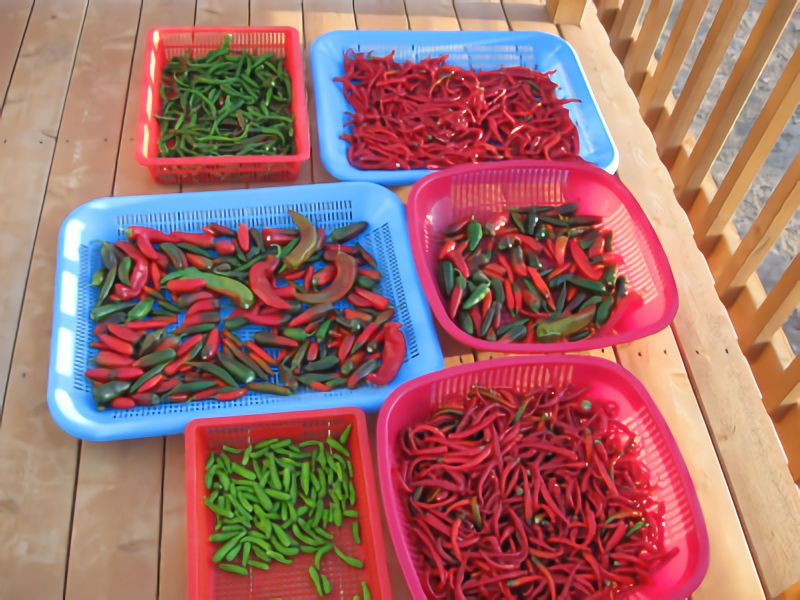
Image by hannaone: Assorted Chili Peppersf
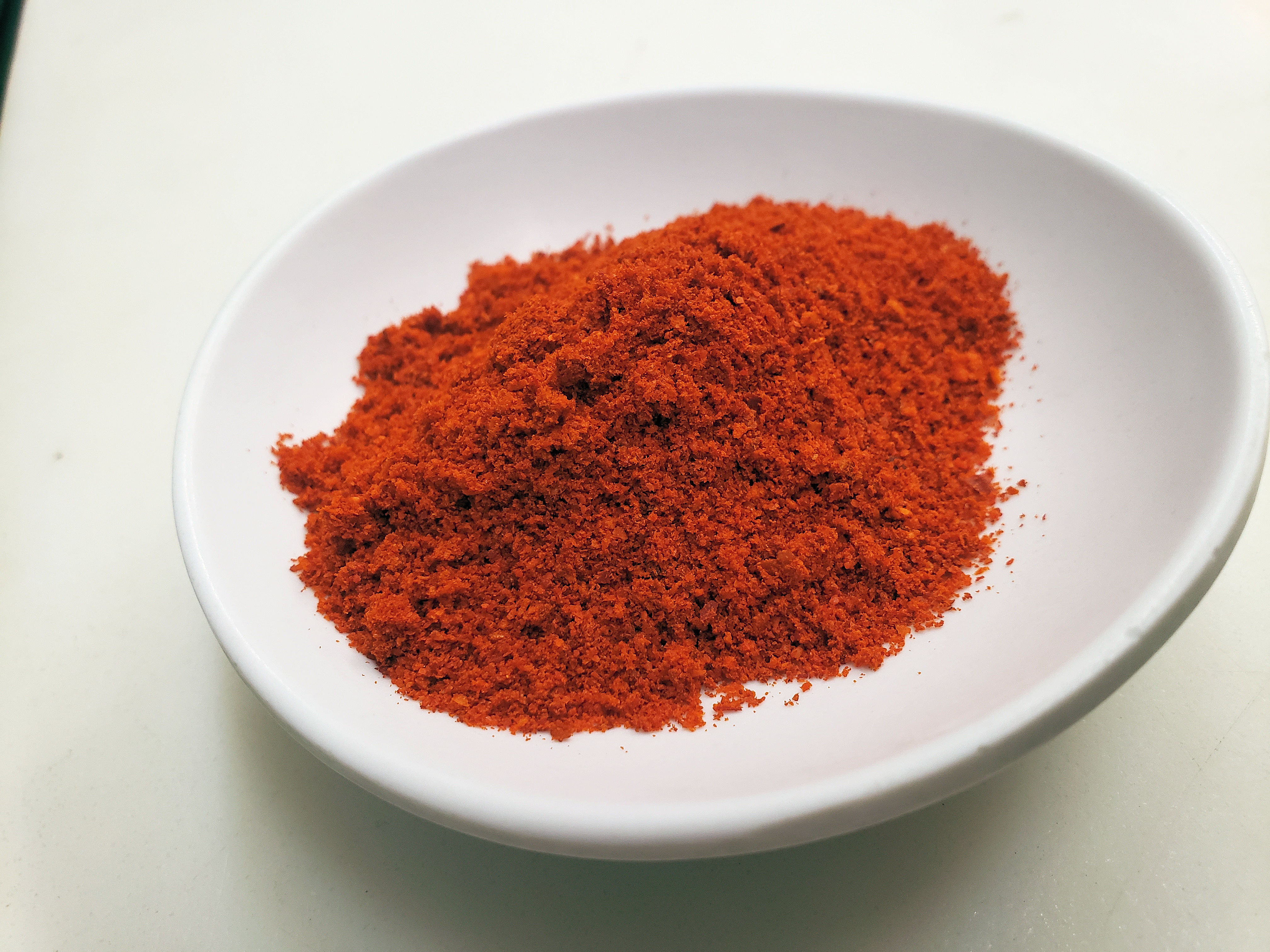
Image by hannaone: Gochugaru

Comment?