Articles
Bulgogi: Korea's "Fire Meat" is More Than Just Beef
불고기 | bulgogi
Introduction to Bulgogi
Bulgogi—literally “fire meat”—is one of the most recognizable dishes in Korean cooking. At its core, it’s thinly sliced beef marinated in a mixture of savory, sweet, and nutty ingredients, then cooked quickly over high heat. The result is tender, flavorful meat that works well in all kinds of meals.
It’s a staple for a reason: bulgogi is easy to adapt, cooks fast, and fits into everything from home dinners to celebratory spreads. Whether grilled, stir-fried, or braised, it delivers a reliable balance of sweetness, saltiness, and aroma.
History and Origin of Bulgogi
Bulgogi’s roots go back to the Goguryeo kingdom (37 BC–668 AD), where early versions of the dish were made with wild game like boar or deer. The meat was seasoned simply with soy sauce, garlic, and other local ingredients.
During the widespread adoption of Buddhism, meat consumption declined, and cooks applied similar seasoning techniques to vegetables instead. The Mongol invasions later reversed many of these restrictions, bringing meat back into everyday cooking.
As beef became more available—though still expensive—bulgogi evolved into a dish associated with status and special occasions. Over time, grilling methods improved, and the dish shifted toward the thinly sliced, marinated beef we recognize today.
Ingredients for Bulgogi
A good bulgogi marinade relies on a few essentials: soy sauce, sugar, sesame oil, garlic, and black pepper. These create the familiar sweet-savory base. To tenderize the meat, many cooks add grated Asian pear or kiwi, which breaks down proteins without making the meat mushy.
Optional additions like honey, rice wine, or grated onion can deepen the flavor, but the core ingredients stay consistent across most recipes.
Tips for Slicing and Marinating the Meat
For the best texture, slice the beef thinly against the grain. Cuts like ribeye or sirloin work well because their marbling keeps the meat juicy during high-heat cooking.
Once sliced, mix the beef with soy sauce, sesame oil, sugar, garlic, and a fruit-based tenderizer such as pear juice. A splash of mirin or rice wine adds depth. Let the meat marinate for at least an hour; overnight is even better if you want a more pronounced flavor.
Cooking Techniques for Bulgogi
Bulgogi cooks best over high heat. A hot grill or skillet helps caramelize the sugars in the marinade, giving the meat a lightly crisp exterior while keeping it tender inside.
Cook in small batches so the pan stays hot—crowding it will cause the meat to steam instead of sear. Stir-frying is a perfectly valid alternative and is often the most convenient method at home.
No matter the technique, aim for a quick cook and a balance of browned edges and juicy centers.
Serving Suggestions and Side Dishes
Bulgogi pairs naturally with steamed rice, which absorbs the sauce and juices. It’s traditionally served alongside banchan such as kimchi, seasoned vegetables, and namul, which add freshness and texture.
For a hands-on option, wrap bulgogi in lettuce with a bit of ssamjang. Add sliced garlic or green chili peppers if you want more heat or bite. These accompaniments let each person adjust the flavor to their liking.
Variations
Although beef bulgogi is the most common version, there are several well-loved variations:
- Daeji Bulgogi: Spicy pork marinated with gochujang and aromatics.
- Oyster Bulgogi: Fresh oysters seasoned lightly with soy sauce, garlic, and sesame oil.
- Mushroom Bulgogi: A vegetarian option using assorted mushrooms that absorb the marinade well.
These variations show how flexible the bulgogi technique is—it’s more about the marinade and cooking method than the specific protein.
Where to Find Quality Bulgogi Ingredients
For the best results, shop at a Korean grocery store or a well-stocked Asian market. Look for beef cuts with good marbling, such as ribeye or sirloin.
Make sure you have the essentials: soy sauce, sesame oil, garlic, and Asian pear. These ingredients define the dish’s flavor and help you achieve the texture and taste associated with authentic bulgogi.
Using fresh, high-quality ingredients makes a noticeable difference and helps the dish reflect the depth of Korean culinary tradition
Article by Gil "hannaone" © Copyright 2025-2026. All rights reserved.
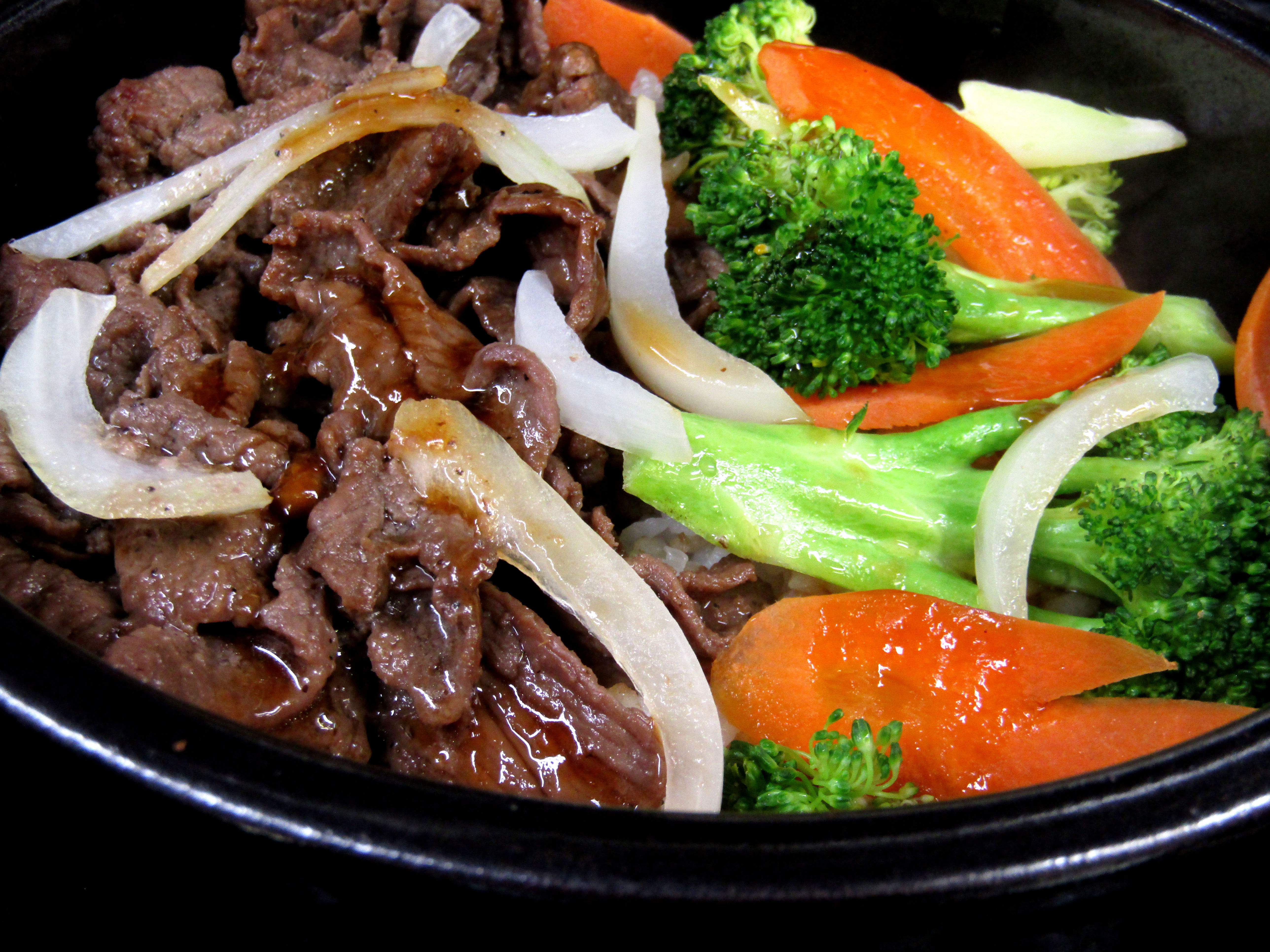
Bulgogi ttukbaegi
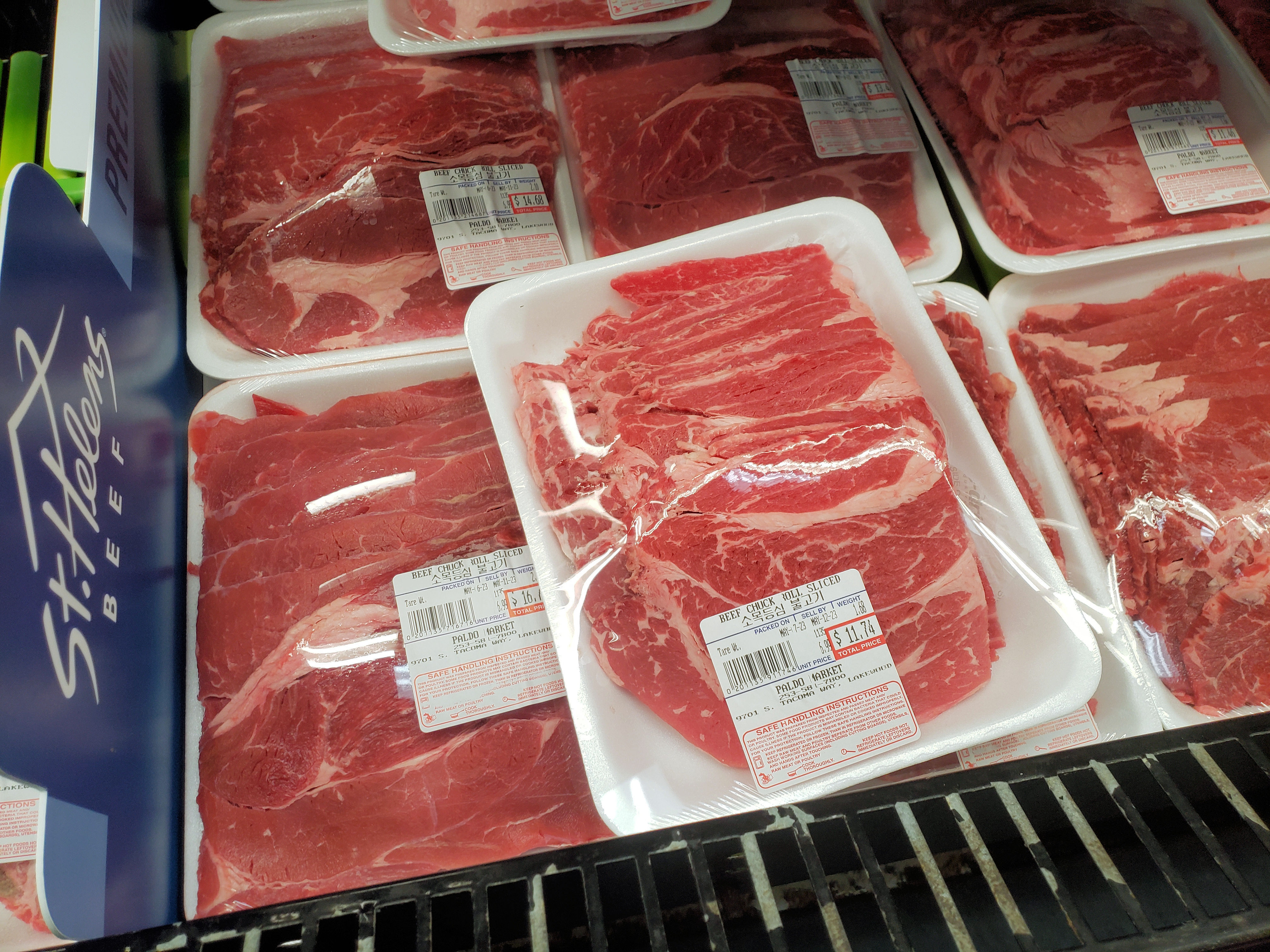
Image by hannaone: Sliced beef
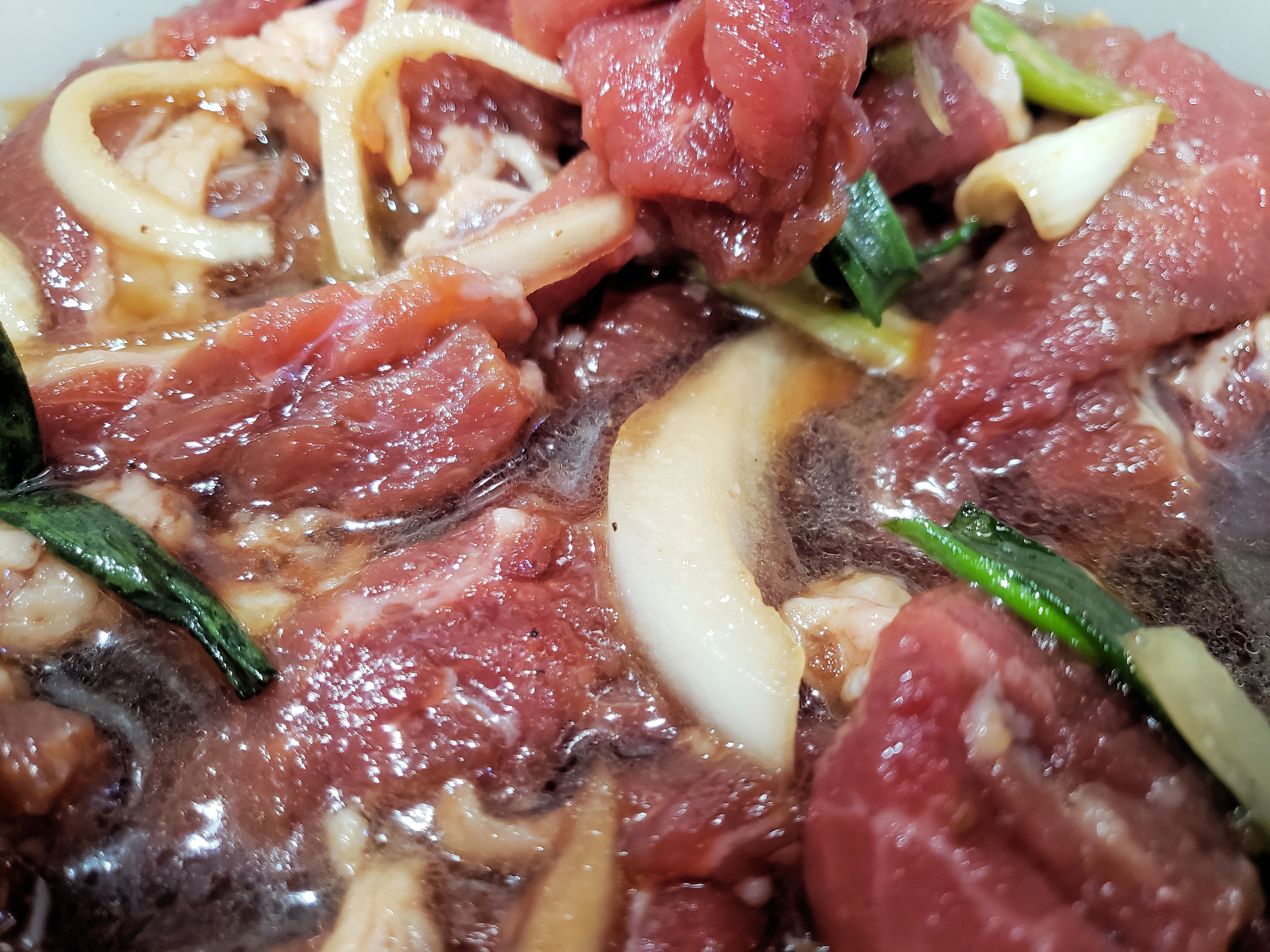
Image by hannaone: Marinating Beef
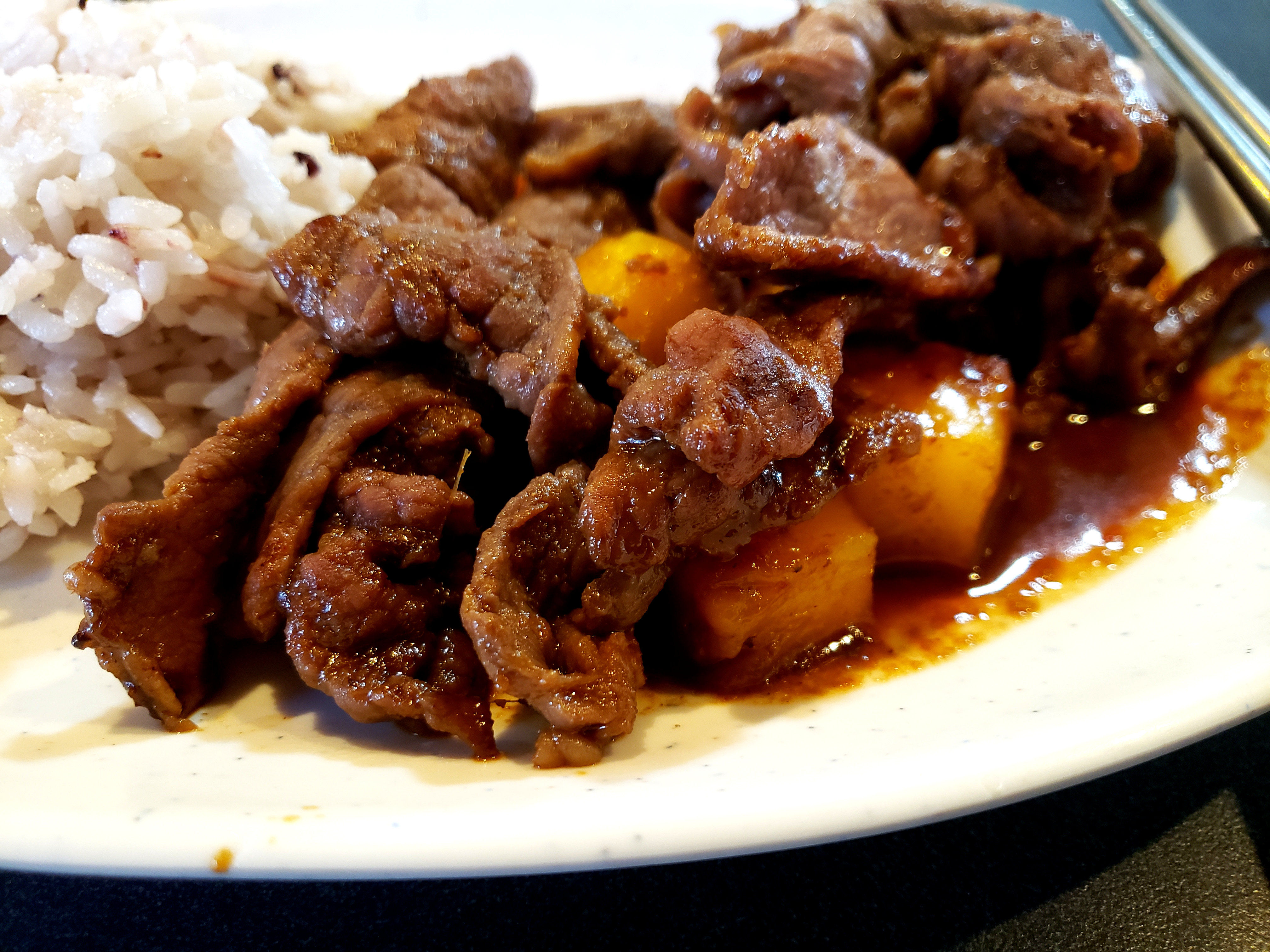
Image by hannaone: Pineapple Bulgogi
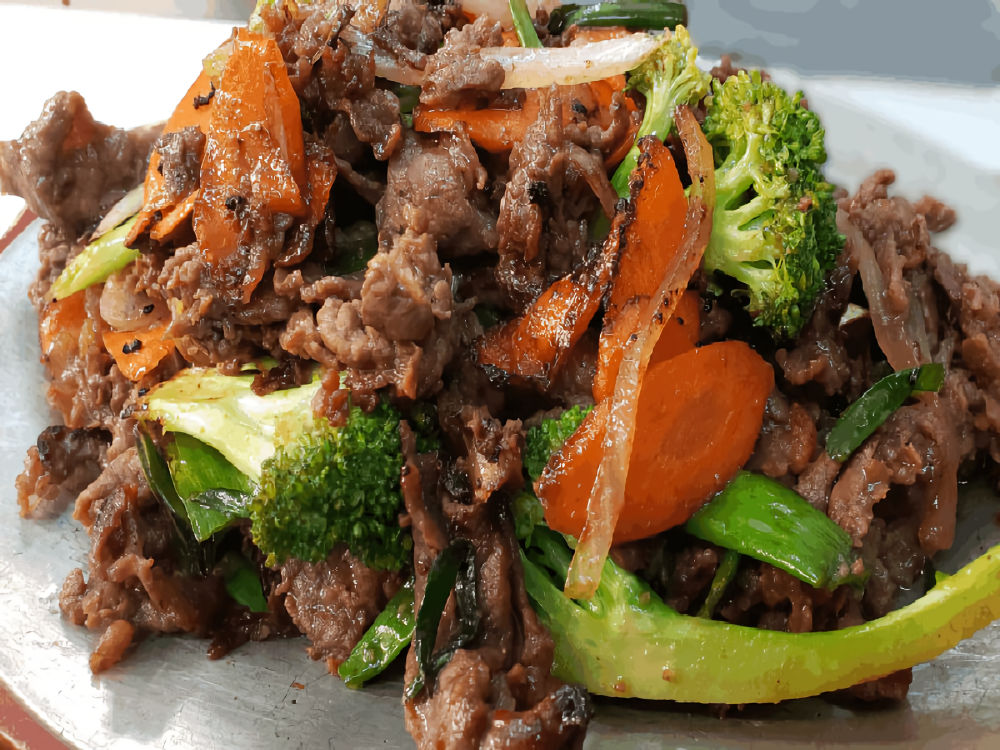
Image by hannaone: Stir Fried Bulgogi

Comment?