Articles
Banchan: Korea’s Small Dishes and Their Cultural Significance
반찬 | banchan
Banchan (반찬): The Heart of Korean Dining
Banchan refers to the assortment of small side dishes served alongside cooked rice in Korean cuisine. These dishes are a defining feature of Korean meals, offering a wide range of flavors, textures, and nutrients. More than simple accompaniments, banchan enrich the dining experience and embody the cultural values of balance, generosity, and communal eating.
Early Origins (Three Kingdoms → Goryeo Dynasty)
Several key factors shaped the early development of banchan:
Buddhist Influence
As Buddhism spread and became the dominant belief system among Korea’s major kingdoms, meat consumption declined sharply. This shift encouraged a cuisine centered on vegetables, grains, and legumes — the foundation of many early banchan.
Preservation Needs
Korea’s harsh winters made food preservation essential. Techniques such as fermentation, pickling, and drying emerged early, giving rise to staples like kimchi and jang (fermented sauces), which remain central to banchan today.
Economic Realities
For commoners, meat was scarce and expensive. Banchan allowed households to create variety and nutrition from accessible plant-based ingredients, reflecting the simpler fare of peasant kitchens.
In early Korea, meat was largely reserved for the nobility and royal courts. With Buddhism’s rise, prohibitions on meat became widespread, further reinforcing a vegetable-forward culinary culture. Winter preservation efforts focused on plant-based foods, shaping the long-term character of Korean cuisine.
Joseon Dynasty & Royal Cuisine
As Korea entered the Joseon Dynasty, the culinary traditions established earlier became more refined and codified.
Culinary Aesthetics and Court Refinement
The royal court placed great emphasis on aesthetics, ritual, and balance. Court kitchens employed master chefs who developed elaborate hansik (Korean cuisine) presentations, including the famed 12‑cheop bansang (십이첩 반상) — a table setting featuring twelve distinct banchan.
Regional Diversity
Provinces regularly sent ingredients to the palace, allowing the king to assess regional prosperity. This practice enriched the royal table with diverse flavors and contributed to the wide variety of banchan known today.
Post‑Invasion Changes
The Mongol invasions of the 13th century ended the long-standing proscriptions against meat. While meat returned to the Korean diet, centuries of Buddhist influence had already shaped Korean tastes and cemented the prominence of vegetable-based dishes. Even with new ingredients and techniques introduced by the Mongols, the core identity of banchan remained rooted in earlier traditions.
Cultural Significance of Banchan
Hospitality & Status
The number and quality of banchan traditionally reflected a host’s wealth and generosity. More dishes signaled higher status and greater hospitality.
Communal Dining
Banchan is shared by everyone at the table, reinforcing unity, respect, and the communal nature of Korean meals.
Balance & Philosophy
Korean cuisine emphasizes harmony through Obangsaek (오방색) — the philosophy of five colors representing balance and health. Banchan arrays embody this principle through contrasting textures, flavors, and colors that complement the main dish.
Types of Banchan
Banchan encompasses a vast range of dishes. Major categories include:
| Category | Description | |
|---|---|---|
| Kimchi (김치) | Fermented vegetables, often spicy and tangy | |
| Namul (나물) | Seasoned greens or vegetables, steamed, blanched, or stir-fried | |
| Muchim (무침) | Mixed/seasoned salads, often with vinegar or chili | |
| Jorim (조림) | Braised dishes simmered in soy sauce or seasonings | |
| Bokkeum (볶음) | Stir-fried items | |
| Jeon (전) | Pan-fried fritters or savory pancakes | |
| Gui (구이) | Grilled dishes | |
| Jjim (찜) | Steamed or simmered dishes |
Modern Fusion Banchan
Contemporary Korean cuisine embraces creativity, giving rise to fusion banchan such as:
- Bulgogi tacos
- Kimchi quesadillas
- Korean-style potato salad
These dishes blend global influences while maintaining the spirit of banchan.
Bansang: Table Settings by Number of Dishes
A bansang (반상) is the traditional Korean table setting, defined by the number of side dishes served alongside rice, soup, and kimchi.
- Samcheop (삼첩) — 3 dishes
- Ocheop (오첩) — 5 dishes
- Chilcheop (칠첩) — 7 dishes
- Gucheop (구첩) — 9 dishes
- Sip-i-cheop (십이첩) — 12 dishes (royal court tradition)
More dishes indicate greater formality and hospitality.
Making Banchan at Home
Creating banchan is an accessible and rewarding way to explore Korean flavors.
Foundational Ingredients
- Soy sauce
- Sesame oil
- Garlic
- Gochugaru (Korean red pepper flakes)
- Vinegar
- Sesame seeds
Beginner-Friendly Dishes
- Cucumber muchim (quick, refreshing salad)
- Japchae (stir-fried glass noodles)
- Sigeumchi namul (seasoned spinach)
Fermented Staples
Kimchi and other fermented banchan require time and patience but offer deep, complex flavors.
Where to Find Authentic Banchan
Korean Markets
Most Korean grocery stores have dedicated banchan sections offering:
- Pickled radishes
- Seasoned spinach
- Braised tofu
- Various kimchi varieties
Korean Restaurants
Dining in a Korean restaurant provides the most authentic experience, where banchan is served as a communal prelude to the main meal.
Online Resources
For those who prefer homemade banchan, hanna-one.com offers recipes, ingredient guides, and cultural insights ideal for both beginners and experienced cooks.
Tips for Serving and Enjoying Banchan
1. Embrace Variety
Offer a mix of flavors, textures, and colors — fermented, fresh, spicy, mild, crunchy, and soft.
2. Use Small Dishes
Small plates encourage sampling and sharing, creating a visually appealing table.
3. Complement the Main Dish
Choose banchan that balance the flavors of the main course, enhancing the overall meal.
Conclusion: The Living Tradition of Banchan
From ancient preservation techniques to royal court refinement and modern fusion creativity, banchan reflects the evolution of Korean cuisine and culture. Whether served in a humble home or a grand banquet, banchan transforms even the simplest meal into a feast — celebrating abundance, balance, and the joy of sharing.

Article by Gil "hannaone" © Copyright 2025-2026. All rights reserved.
Broccoli Salad
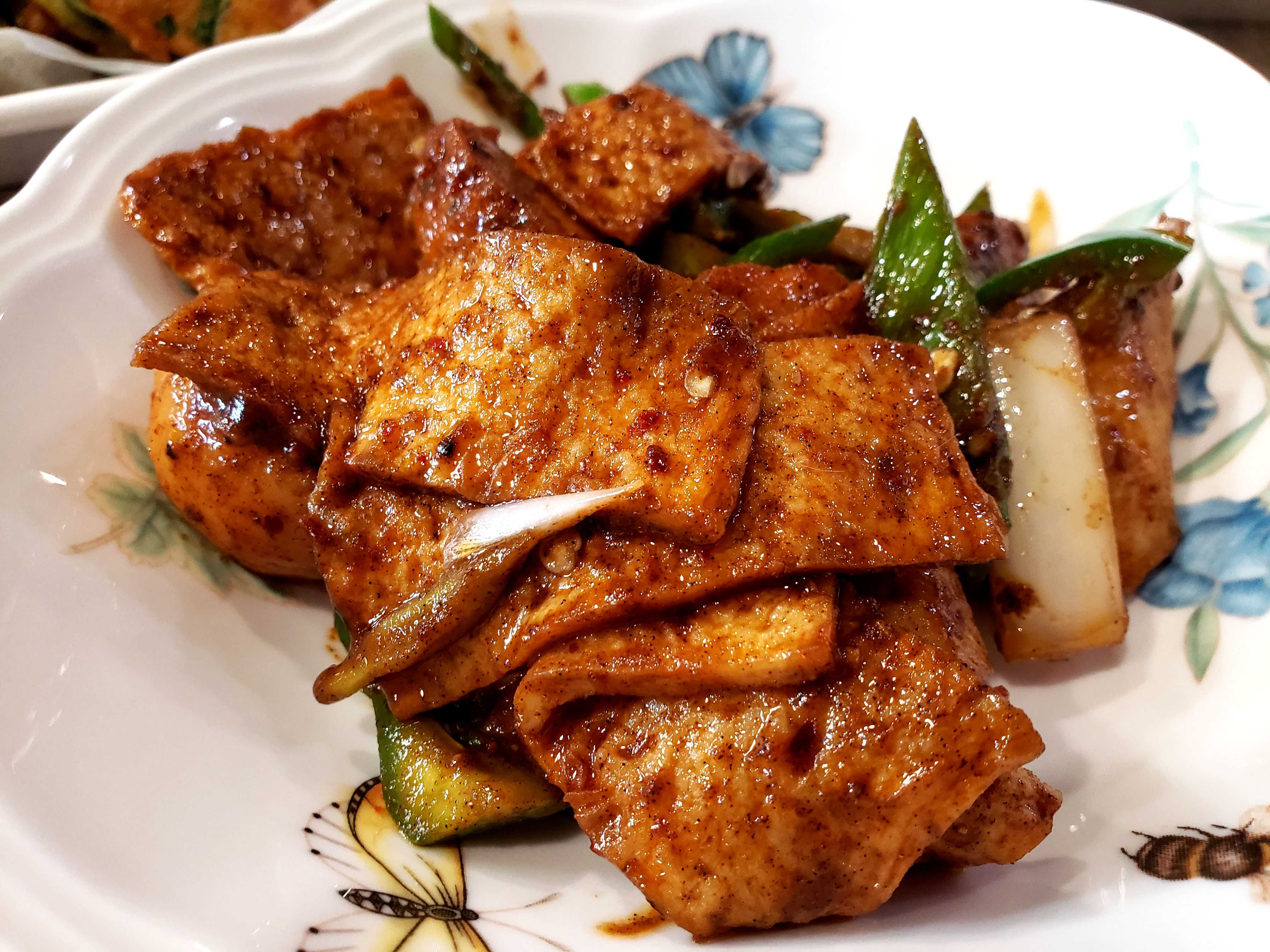
Image by hannaone: Eomuk-bokkeum
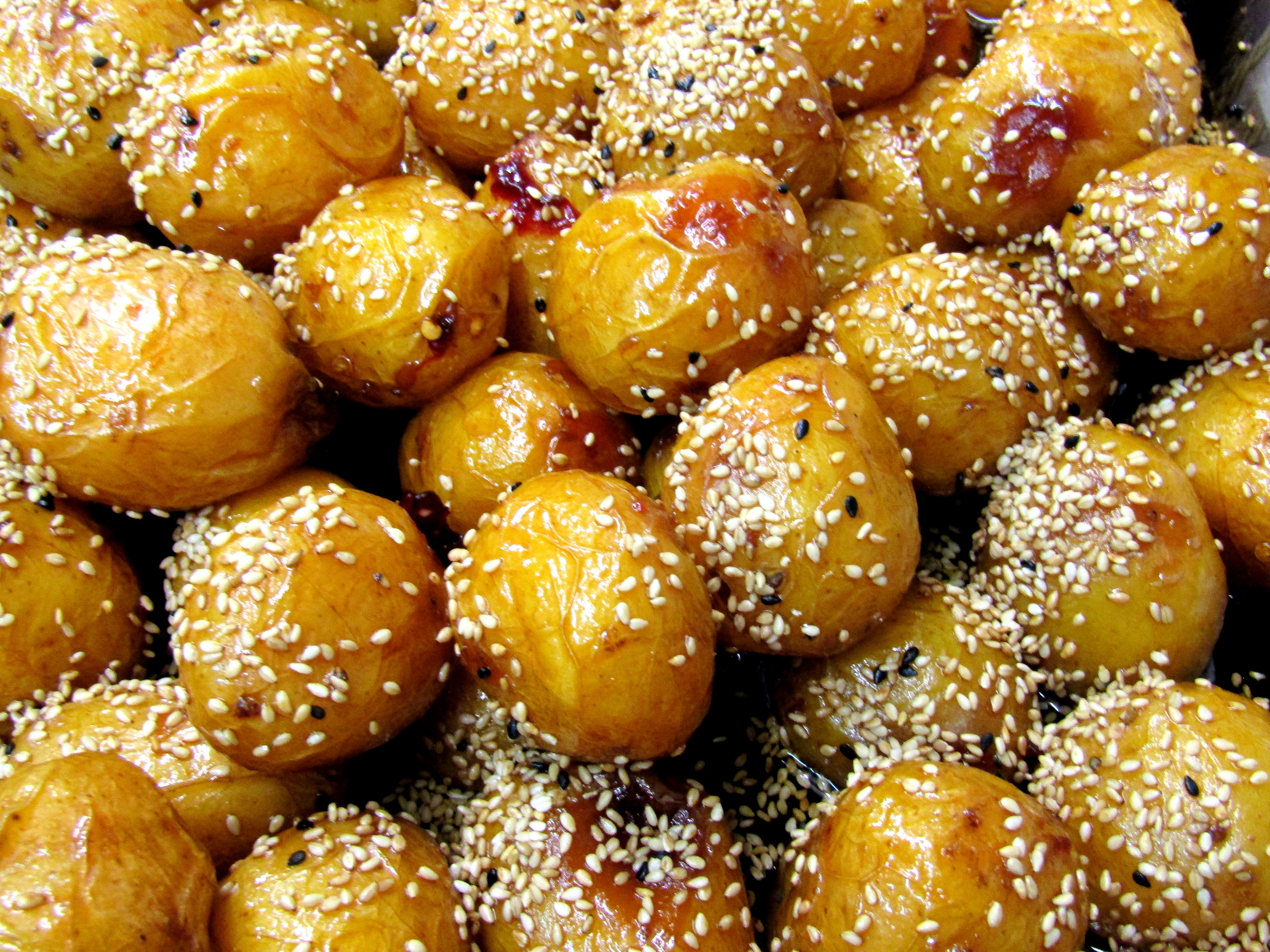
Image by hannaone: Gamja-jorim

Comment?